

What Is Ozone Discectomy?
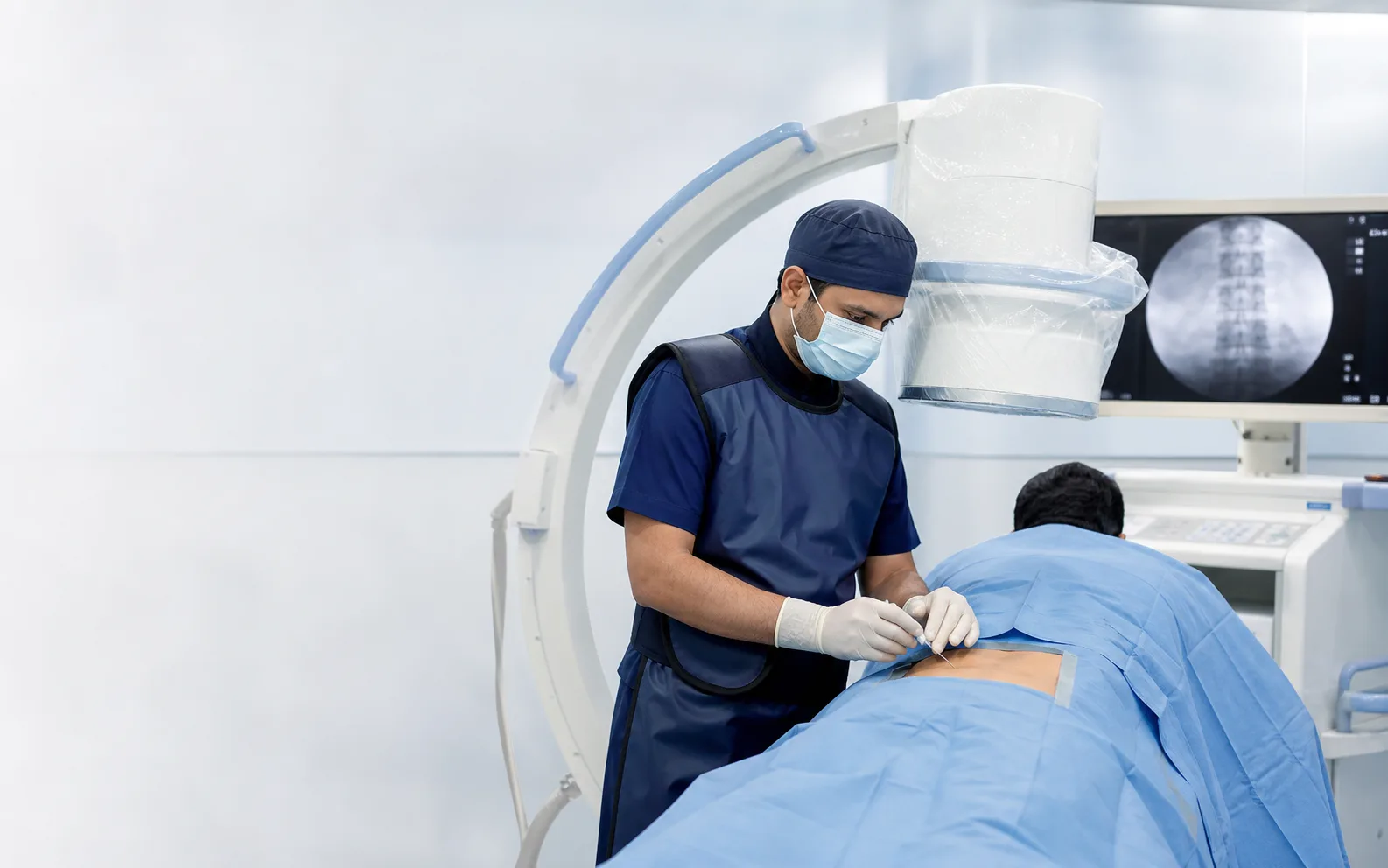
Ozone discectomy (ozonucleolysis) involves injecting a medical-grade ozone-oxygen mixture directly into a herniated or bulging disc under image guidance, shrinking the disc and easing pressure on the surrounding nerve.
To be upfront: this is a real, practiced technique with a moderate evidence base, mostly case series and smaller trials, not large randomised studies. It's not FDA-approved and isn't first-line in most international spine guidelines. Conservative care still comes first for the majority of disc-related pain. Think of ozone discectomy as a genuine minimally invasive option for carefully selected patients who haven't improved with conservative treatment, not a guaranteed surgery alternative for everyone.
How Does Ozone Discectomy Work?
Ozone injected into the disc's nucleus breaks down the molecules that let disc material hold water. The disc dehydrates and shrinks, reducing its volume and the pressure on nearby nerves. Ozone also has an anti-inflammatory effect around the treatment site, which may help settle nerve-related pain further.
It works best on contained herniations, where the disc's outer wall is still intact. For extruded or fragmented discs, results are less predictable. Your specialist will review your MRI honestly and tell you which category yours falls into.
Conditions Treated with Ozone Discectomy in Mumbai
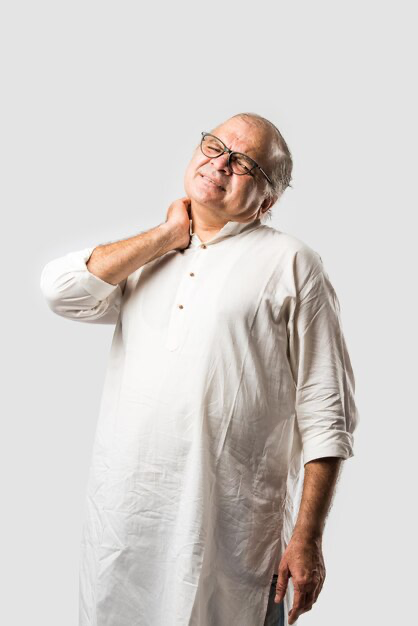
Cervical disc herniation causing neck pain and arm symptoms
Contained disc bulges confirmed on MRI or CT, not responding to 4-6 weeks of conservative care
A specialist assessment, including a review of your actual imaging, determines whether ozone discectomy is suitable for your specific disc problem.
Who Is a Suitable Candidate?
Ozone discectomy may be appropriate if you have:
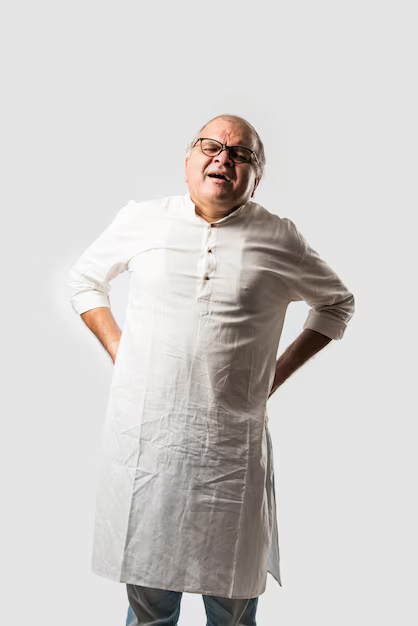
Significant back, leg, or arm pain from a confirmed disc herniation
Pain that hasn't improved after at least 4 weeks of conservative treatment
A contained herniation on MRI or CT, with the disc's outer covering still intact
Generally not suitable for:
Back pain where the disc appears normal on imaging
Cancer or spinal tumours
Active spinal infection (including tuberculosis)
Severe spinal canal narrowing (stenosis) from degenerative changes
Spinal instability, such as advanced spondylolisthesis
Extruded or sequestered disc fragments, where response is typically less predictable
Honest, careful patient selection is essential, your specialist will only recommend ozone discectomy when your specific imaging and history genuinely support it.
Best Doctors to Ozone Discectomy in Mumbai


The Ozone Discectomy Procedure
Before:
- MRI/CT and full medical history reviewed
- Disc confirmed as contained and suitable
- Blood thinners or anti-inflammatories paused if needed, on medical advice only
- Transport home arranged
During treatment:
- STEP 1You're positioned under fluoroscopic (C-arm) guidance for clear disc access
- STEP 2Skin and deeper tissue numbed with local anaesthetic, no general anaesthesia
- STEP 3A fine needle delivers the ozone-oxygen mixture into the disc nucleus
- STEP 4Procedure takes under an hour; you go home the same day after brief observation
Recovery and Aftercare
Mild soreness at the injection site is common for a day or two; recovery is structured and gradual rather than instant.
| Time | What to Expect |
|---|---|
| First 48 hours | Rest advised; mild soreness at the injection site |
| Day 3 onward | Short walks (10-15 minutes) introduced gradually |
| Day 6 onward | Return to full daily activity, avoiding vigorous exercise |
| Weeks 1-4 | No forward bending or lifting weight |
| After week 3 | Spinal exercises may begin, only as advised by your specialist |
Your specialist may recommend combining ozone discectomy with physiotherapy to support and consolidate results, particularly relevant for patients returning to a demanding daily commute.
Benefits, Risks, and Side Effects
Benefits:
No incision, no stitches, no general anaesthesia
Home the same day with a shorter recovery than open surgery
Ozone delivered precisely under image guidance
A genuine pre-surgical option for well-selected contained herniations
Lower complication profile than open spine surgery in the right candidate
Risks:
Mild soreness or bruising at the injection site
Temporary pain increase as the disc responds
Rare infection, minimised by sterile image-guided technique
Rare allergic reaction
Possible limited or no improvement, this doesn't work for everyone, particularly with non-contained herniations
Serious complications are uncommon but not impossible. Nivaan specialist discusses your individual risk profile honestly, this isn't presented as risk-free.
Results and Number of Sessions
Results build gradually, not instantly. Responses genuinely vary, some people experience significant, lasting relief; others see partial improvement; for some, particularly where the herniation isn't contained, the procedure may not resolve symptoms fully.
Most protocols involve one to two procedures, spaced 2-4 weeks apart. In cases that respond only partially, an additional session may be considered. Your specialist reviews progress and discusses next steps together, including whether continuing conservative care, repeating the procedure, or considering surgical options makes the most sense for your situation.
Ozone Discectomy Cost Considerations in Mumbai
Cost varies by clinic, the number of sessions needed, and individual case complexity. Because pricing depends on your specific case, ask for a clear, itemised estimate after assessment rather than relying on a generic online figure, this varies enough between providers that comparison shopping on price alone can be misleading.
Why Choose Nivaan Care for Ozone Discectomy in Mumbai?
Ozone discectomy at Nivaan is offered as one option within a complete, expert-led plan, not a standalone quick fix.
| Comparison | Ozone Discectomy at Nivaan | Other Providers |
|---|---|---|
| Who performs it | Interventional pain specialist under image guidance | Varies, not always specialist-led |
| Patient selection | Careful review of imaging; only offered when genuinely suitable | Often offered broadly without imaging-based selection |
| Risk disclosure | Full, honest discussion of risks and limitations | Sometimes minimised or omitted |
| Rehabilitation | Personalised physiotherapy plan post-procedure | Often not included |
| Follow-up care | Structured review and honest next-step discussion | Rarely structured |
Frequently Asked Questions
It's a genuinely practiced technique with a real evidence base, mostly case series and smaller studies. It isn't FDA-approved or first-line in major spine guidelines. Best considered a legitimate option for carefully selected patients, not a universal surgery alternative.
Usually mild, soreness or bruising at the injection site. Less commonly: temporary pain increase, rare infection, rare allergic reaction, or incomplete improvement.
For well-selected contained herniations, some patients achieve comparable relief. But direct comparison evidence is limited. Your specialist sets realistic expectations for your specific case.
Yes, it's part of Nivaan Care's non-surgical, interventional pain management approach for patients in Mumbai.
One to two, spaced 2–4 weeks apart. Additional sessions only if response is partial.