

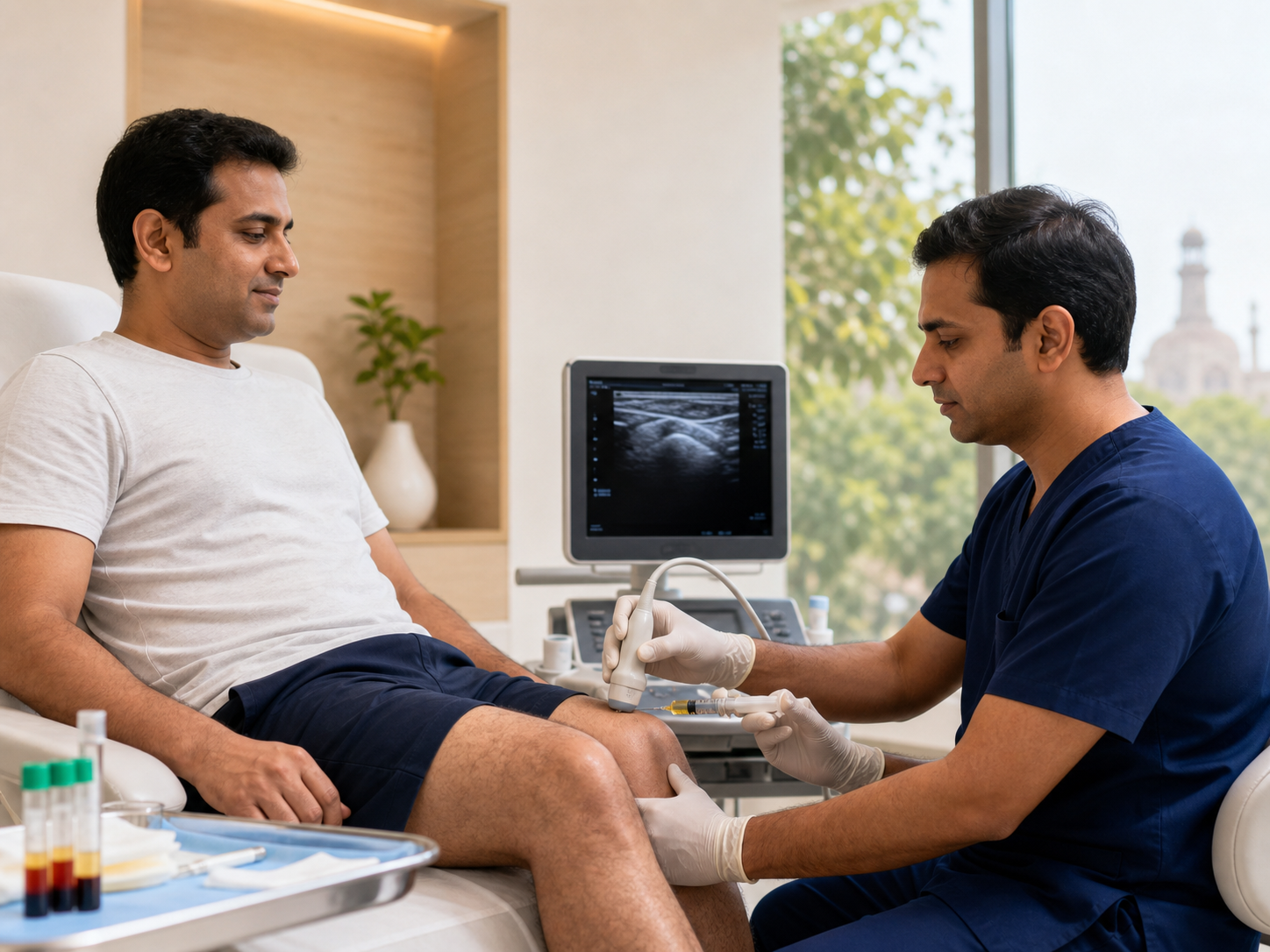
Where it comes from - A small blood draw, no different from a standard test.
What Is PRP Treatment?
PRP (Platelet-Rich Plasma) treatment starts with something most people don't expect, a small draw of your own blood, similar to a routine lab test. That sample is then spun and processed to separate out platelets, the cells your body naturally sends to an injury site to kick off repair, along with the growth factors that travel with them. What's left is a concentrated solution, far richer in these healing components than blood on its own, which is then injected directly into the damaged tissue under image guidance.
The reason this matters clinically: because the entire treatment originates from your own body, there's no foreign material involved, no synthetic drug, no donor tissue. It's your body's own repair system, just concentrated and redirected exactly where it's needed. That's what makes PRP a genuine option for people trying to avoid or push back surgery, rather than another product designed to simply dull the pain.
What makes it "PRP" - Processing concentrates the platelets and growth factors already present in your blood.
How it's delivered - Precisely, into the affected tissue, guided by imaging rather than guesswork.
Why it's different from a typical injection - It's autologous, entirely your own biology, so it works with your healing process instead of masking what's underneath it.
How Does PRP Work in Mumbai?
Once injected, the concentrated platelets get to work in a few distinct ways, not just one general "healing boost."
Calming inflammation. Chronic joint and tendon pain is driven partly by a cycle of ongoing inflammation. PRP's growth factors interrupt that cycle, damping down the specific proteins that keep tissue inflamed and keep pain signals firing.
Rebuilding tissue from within. Certain growth factors in the concentrate act almost like instructions for your cartilage and connective tissue cells, prompting them to actually produce new repair matrix rather than just sitting dormant.
Improving blood supply to the area. Tendons and ligaments are notoriously poor at healing themselves largely because they don't get much blood flow to begin with. PRP encourages new, small blood vessels to form in the treated area, which means more oxygen and nutrients reach the tissue that needs them.
Worth being clear-eyed about joint conditions specifically: PRP doesn't regrow lost cartilage or reverse arthritis. What it can genuinely do is ease pain, calm inflammation, and improve day-to-day function, and in patients caught early enough, potentially slow how quickly things get worse.
PRP vs. GFC: Which One Do You Actually Need?
People often assume PRP and GFC are basically the same thing with different names. They're related, but not interchangeable. Both start with your own blood, but PRP keeps the platelets intact alongside other blood components, and it's backed by a wider body of comparative research against other injectable treatments. GFC, by contrast, strips things down further to isolate just the growth factors in a purer, more concentrated form.
Neither one wins outright, it genuinely comes down to your specific tissue, your diagnosis, and what your specialist's hands-on assessment shows. If a clinic recommends one over the other without explaining why, that's a fair question to push back on.
Conditions Treated with PRP treatment in Mumbai
PRP is recommended for a range of joint, spinal, and soft-tissue conditions, particularly where conservative care alone hasn't provided lasting relief:

Knee - Early to moderate osteoarthritis, cartilage wear, ligament and tendon strain, meniscal degeneration.
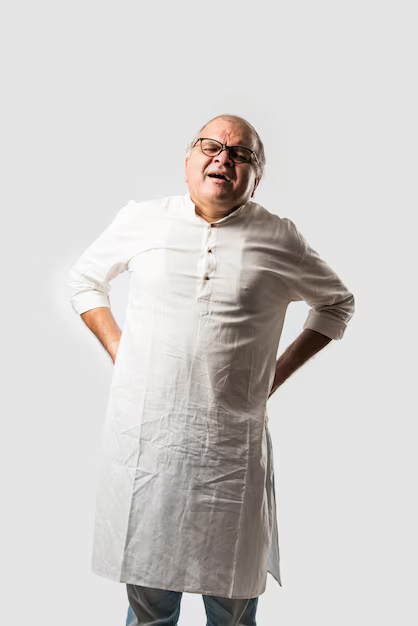
Back - Lumbar disc degeneration, facet joint arthritis, sacroiliac joint dysfunction, posterior ligament injury.
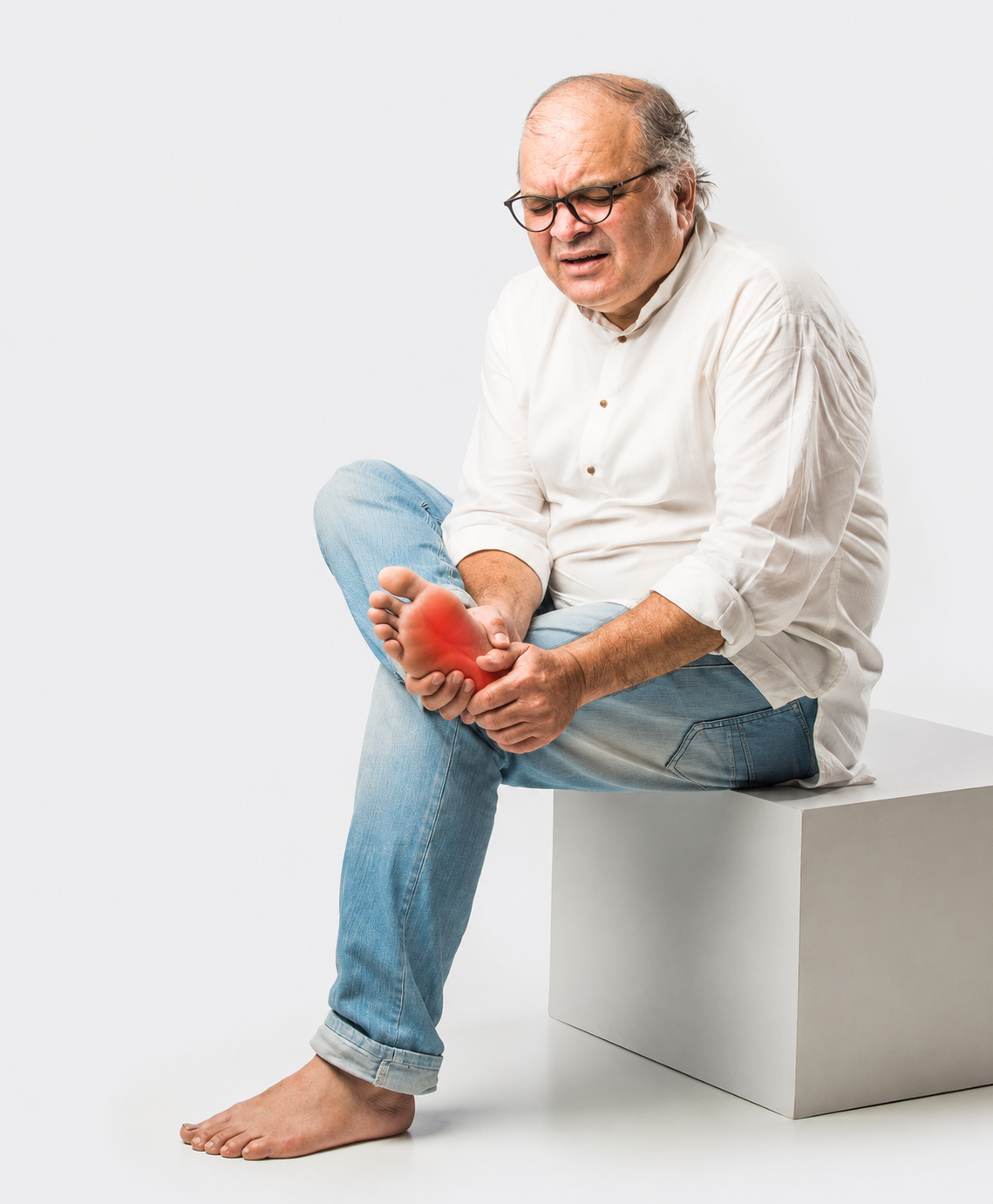
Ankle and foot - Chronic sprains, Achilles tendinopathy, plantar fasciitis, persistent ankle pain.
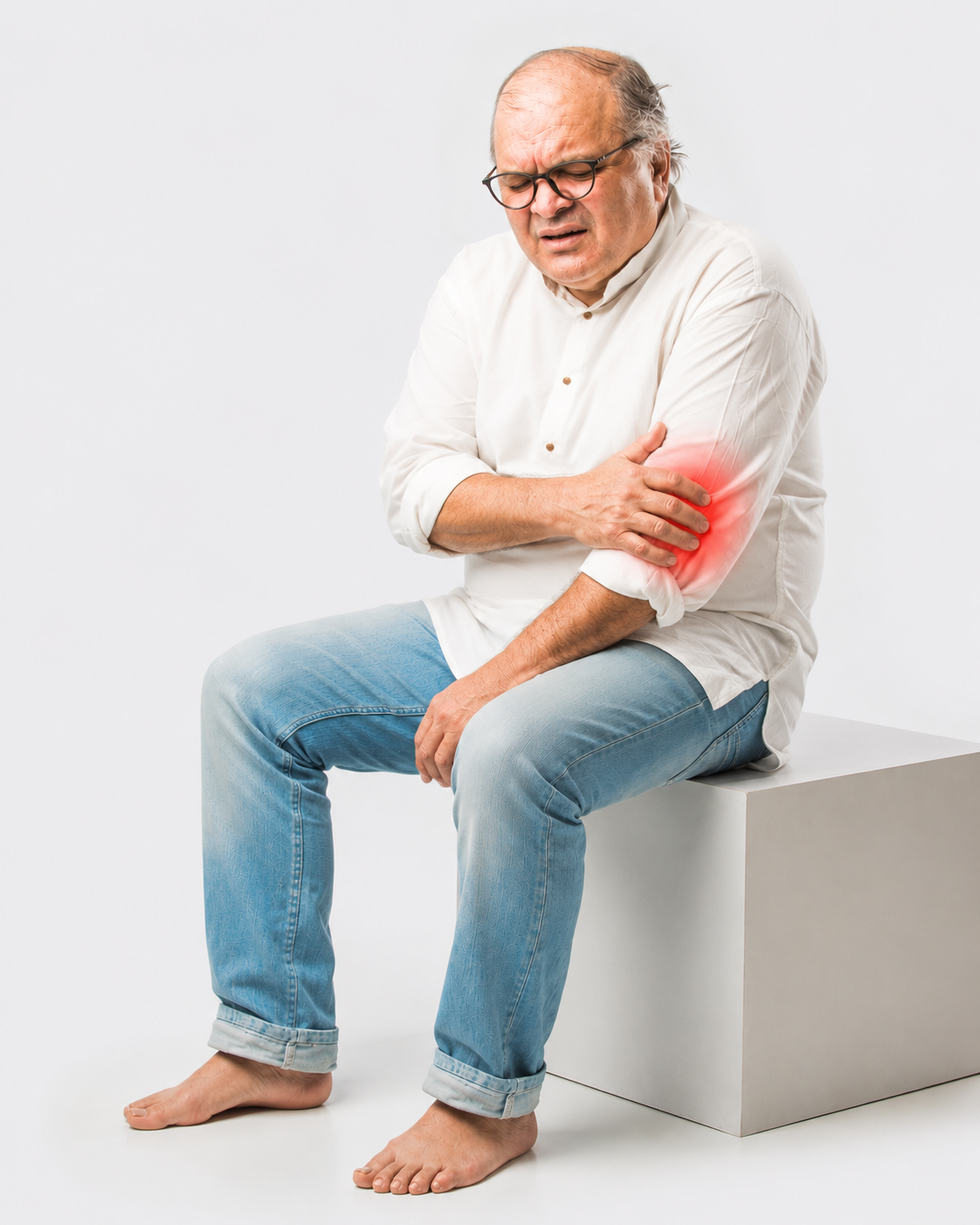
Elbow - Tennis elbow, golfer's elbow, tendon overuse injuries.
A specialist assessment determines whether PRP is suitable for your specific condition, staging, and history.
Who Is a Suitable Candidate for PRP Treatment in Mumbai?
PRP works best in carefully selected patients. It may be a good option if you have:
Early to moderate joint degeneration with some healthy tissue remaining
A chronic tendon or ligament injury that hasn't responded to physiotherapy and medication
Pain that persists despite conservative management
A wish to delay or avoid surgery, where clinically appropriate
Inability to tolerate long-term NSAIDs or corticosteroids
Honest, careful selection is essential, which is why Nivaan specialist will recommend PRP only when it's genuinely likely to help.
Best Doctors to Perform PRP treatment in Mumbai


The PRP Procedure, Step by Step
This is a same-day, outpatient treatment, nothing about it requires an overnight stay.
Getting ready beforehand:
- A review of your medical history and a hands-on exam of the problem area
- Imaging, X-ray, MRI, or ultrasound, if your specialist needs a clearer picture of exactly what's damaged
- Stopping NSAIDs for roughly 7-14 days before treatment, only if your specialist advises it
- Skipping any corticosteroid injection at the same site for 4-6 weeks prior
- Eating and drinking normally, and staying hydrated, in the lead-up
On the day:
- STEP 1Drawing your blood - A quick draw from your arm, exactly like a routine blood test.
- STEP 2Spinning it down - The sample goes into a centrifuge, which separates it into layers so the platelet-rich plasma can be pulled out.
- STEP 3Numbing the site - The treatment area is cleaned, and local anaesthetic is used if needed for comfort.
- STEP 4Delivering the PRP - Using ultrasound or fluoroscopic guidance, your specialist injects the concentrate precisely into the affected joint or tissue.
- STEP 5Heading home - There's no recovery ward stay, you leave the same day.
Recovery and Aftercare
You may experience mild soreness, swelling, or warmth at the injection site for 1-3 days, a normal part of the healing response. NSAIDs should be avoided for 4-6 weeks after the procedure, since they can suppress the inflammatory healing response PRP initiates.
| Time | What to Expect |
|---|---|
| Immediately after | Mild soreness or warmth at the injection site |
| Days 1-3 | Soreness settles; light activity resumed |
| Weeks 2-6 | First signs of improvement |
| Weeks 4-12 | Continued tissue repair; physiotherapy introduced |
| Months 3-6 | Meaningful functional improvement for many patients |
| Months 6-24+ | Results maintained; repeat PRP considered if needed |
Your specialist may recommend combining PRP with guided physiotherapy to consolidate healing. PRP repairs the tissue; physiotherapy rebuilds the strength and movement patterns that protect it long-term, particularly relevant if your routine involves long commutes or repetitive desk postures.
Benefits, Risks, and Side Effects
Benefits
Comes from your own body - Negligible risk of an allergic reaction, since there's nothing foreign involved
No surgery required - No incisions, no implants, no hospital admission
Addresses the actual problem - Genuine tissue repair, not a temporary numbing effect
Quick to bounce back from - Most people are back to light activity within a day or two
Risks and Side Effects
Some soreness or bruising at the site - Typically fades within 1-3 days
A bit of warmth or stiffness - Localised, and doesn't last long
A short flare-up after treatment - Expected as the healing response kicks in, not a red flag
Infection - Rare, and kept that way through sterile, image-guided technique
Nerve irritation - Possible, but only if the injection site happens to be close to a nerve
Genuinely serious complications are uncommon, and you won't need general anaesthesia for any of this.
Results and Number of Sessions
PRP delivers gradual results, not instant relief.
Weeks 2-6 - First signs of improvement
Weeks 4-12 - Meaningful pain reduction and better movement
Up to 3-6 months - Full functional gains
One to three sessions - Spaced 4-6 weeks apart, depending on condition and severity
PRP for tendon conditions (rotator cuff, Achilles, tennis elbow, plantar fasciitis) tends to respond particularly well where tissue damage is localised. PRP for joint conditions works best in early to moderate stages with cartilage or disc tissue still remaining.
PRP Treatment Cost Considerations in Mumbai
Cost varies by clinic, the joint or area treated, and the number of sessions recommended. When comparing options across Mumbai clinics, what matters most is what's actually included, whether injections are genuinely image-guided, whether a real diagnosis precedes treatment, and whether structured follow-up is part of the plan, not just the headline price per session.
Why Choose Nivaan Care for PRP Treatment in Mumbai?
PRP treatment at Nivaan Care works best as part of a complete, expert-led plan, not a standalone injection.
| PRP Treatment | Nivaan Care | Standard PRP Injection |
|---|---|---|
| Who performs it | Interventional pain specialist under image guidance | General practitioner or clinic |
| Diagnosis | Exact pain source identified with imaging before treatment | Symptom-based |
| Image guidance | Always ultrasound or fluoroscopy | Often absent |
| Rehabilitation | Personalised physiotherapy plan integrated post-treatment | None |
| Treatment approach | Full multidisciplinary care team | Single injection in isolation |
| Follow-up care | Ongoing, structured recovery plan | Rarely structured |
Frequently Asked Questions
There may be mild discomfort during the injection and slight soreness for 1-3 days afterwards. A local numbing agent can be used for comfort.
Results are gradual. Most patients notice initial improvement at 2-6 weeks, with benefits continuing to build over 3-6 months.
Most people require one to three sessions, spaced 4-6 weeks apart, depending on the condition and its severity.
Minimal. Most patients resume light daily activities, including desk work, within 24-48 hours. Strenuous exercise should be avoided for 1-2 weeks.
Yes, PRP is offered as part of Nivaan Care's non-surgical, interventional pain management approach for patients in Mumbai.
A genuine assessment, ideally including imaging, should confirm the specific tissue problem before PRP is recommended. If a clinic suggests PRP without examining or imaging the affected area first, that's worth questioning.