
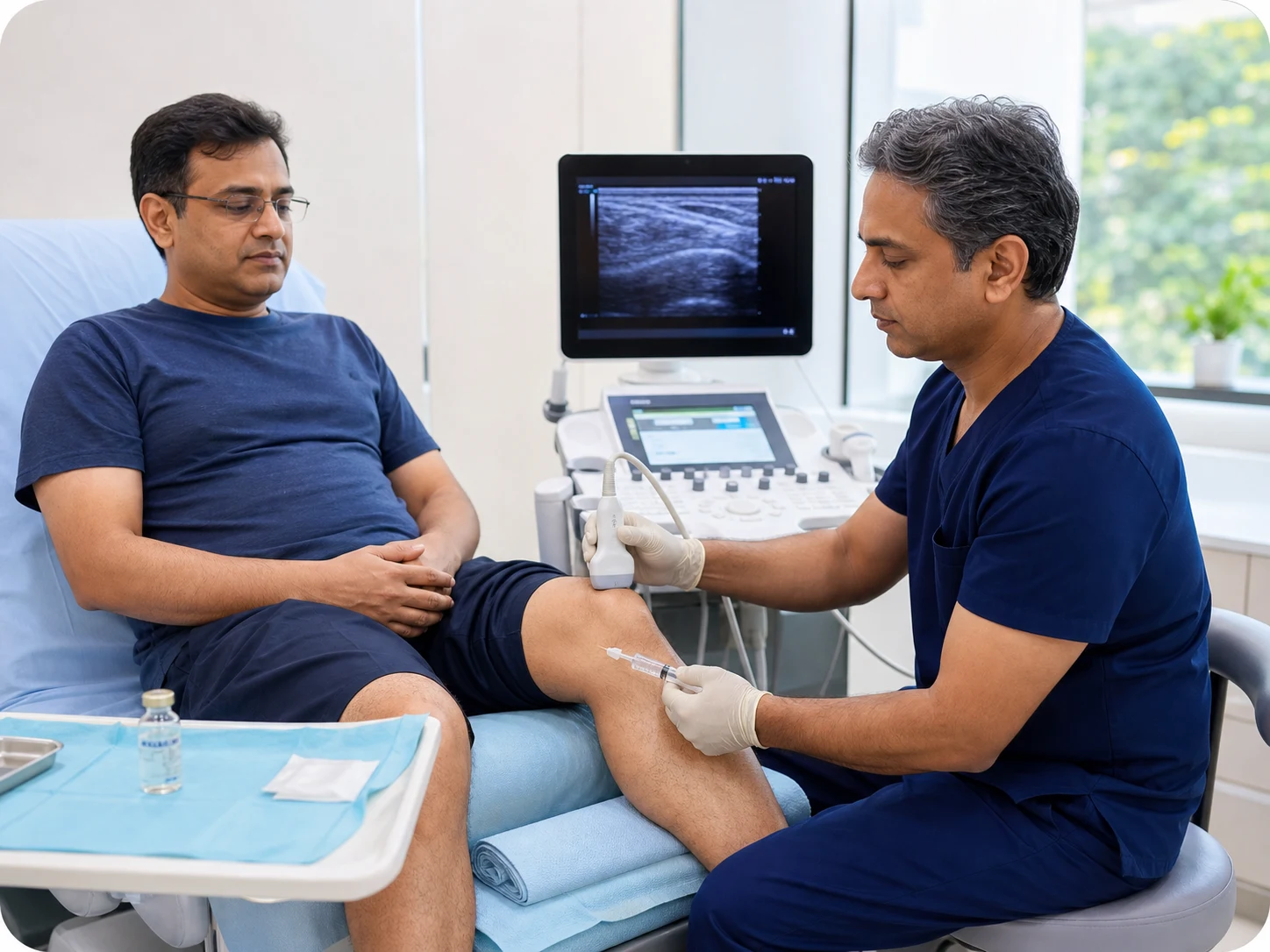
Dextrose prolotherapy - Introduces a dextrose solution into under-healed tissue to recruit collagen-producing cells and improve vascularisation.
What Is Prolotherapy?
Prolotherapy, short for proliferative therapy, is a non-surgical injection therapy that triggers the body's natural repair process by introducing a controlled irritant solution into damaged or weakened connective tissue. The most commonly used solution is dextrose, a sugar-based compound, which causes a mild, localised inflammatory response at the injection site. This signals the body to send repair cells, fibroblasts, growth factors, and collagen-producing cells to the area, stimulating genuine tissue healing rather than temporary pain suppression.
Prolotherapy at Nivaan is performed by Interventional Pain Specialists under image guidance, ensuring the solution is deposited precisely where it needs to go.
- Dextrose solution - A controlled irritant solution introduced into damaged connective tissue.
- Localised healing response - A mild inflammatory response signals repair cells to the area.
- Genuine tissue healing - Stimulates structural repair rather than temporary suppression.
- Image-guided precision - The solution is deposited precisely at the damaged tissue.
How Does Prolotherapy Work?
Damaged tendons and ligaments are chronically under-healed because they receive poor blood supply. Without adequate blood flow, healing stalls, which is why physiotherapy and painkillers may offer only temporary relief for chronic joint or soft-tissue pain.
Dextrose prolotherapy introduces a small volume of solution into the affected tissue, triggering a controlled, short-lived inflammatory cascade. This recruits fibroblasts that synthesise new collagen, releases growth factors, and increases vascularisation. Over successive sessions, the tissue thickens, strengthens, and stabilises.
Types of Prolotherapy
Neural prolotherapy - Uses very dilute dextrose subcutaneously along a nerve path to reduce neurogenic inflammation and pain hypersensitivity.
Prolozone therapy - Combines ozone gas with prolotherapy solution to enhance oxygen delivery and support cellular repair in low-oxygen tissue.
Your Nivaan specialist determines the most appropriate formulation based on your specific condition and imaging findings.
Conditions Treated with Prolotherapy in Mumbai
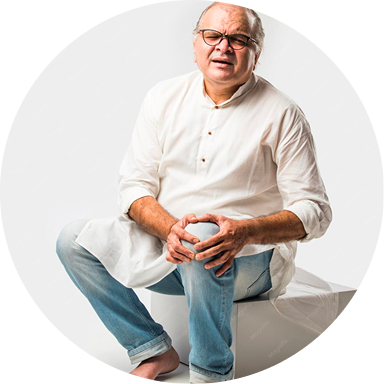
Knee - Early to moderate osteoarthritis, ligament laxity, patellar tendinopathy, chronic instability.
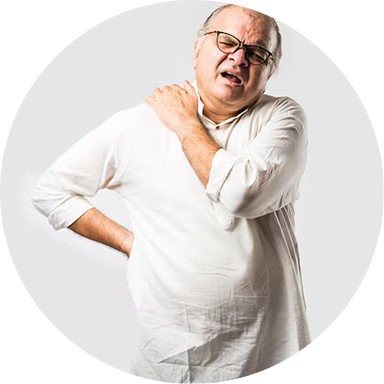
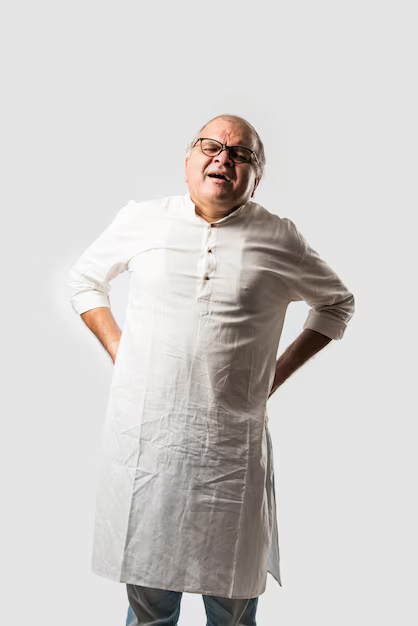
Lower back and sacroiliac joint - Chronic non-specific low back pain, SI joint dysfunction, lumbar ligament injury.
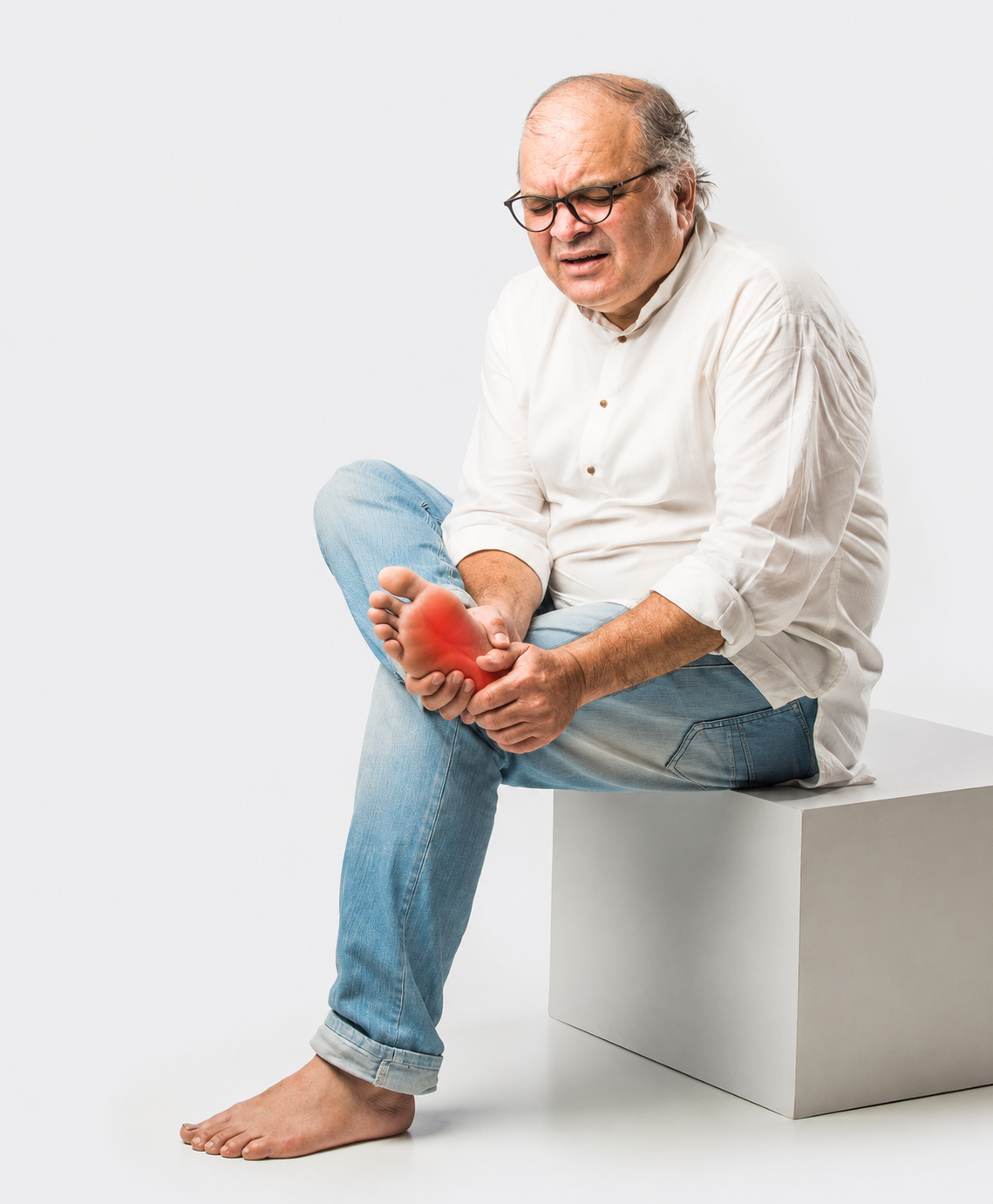
Ankle and foot - Chronic sprains, Achilles tendinopathy, plantar fasciitis, persistent instability after repeated injury.
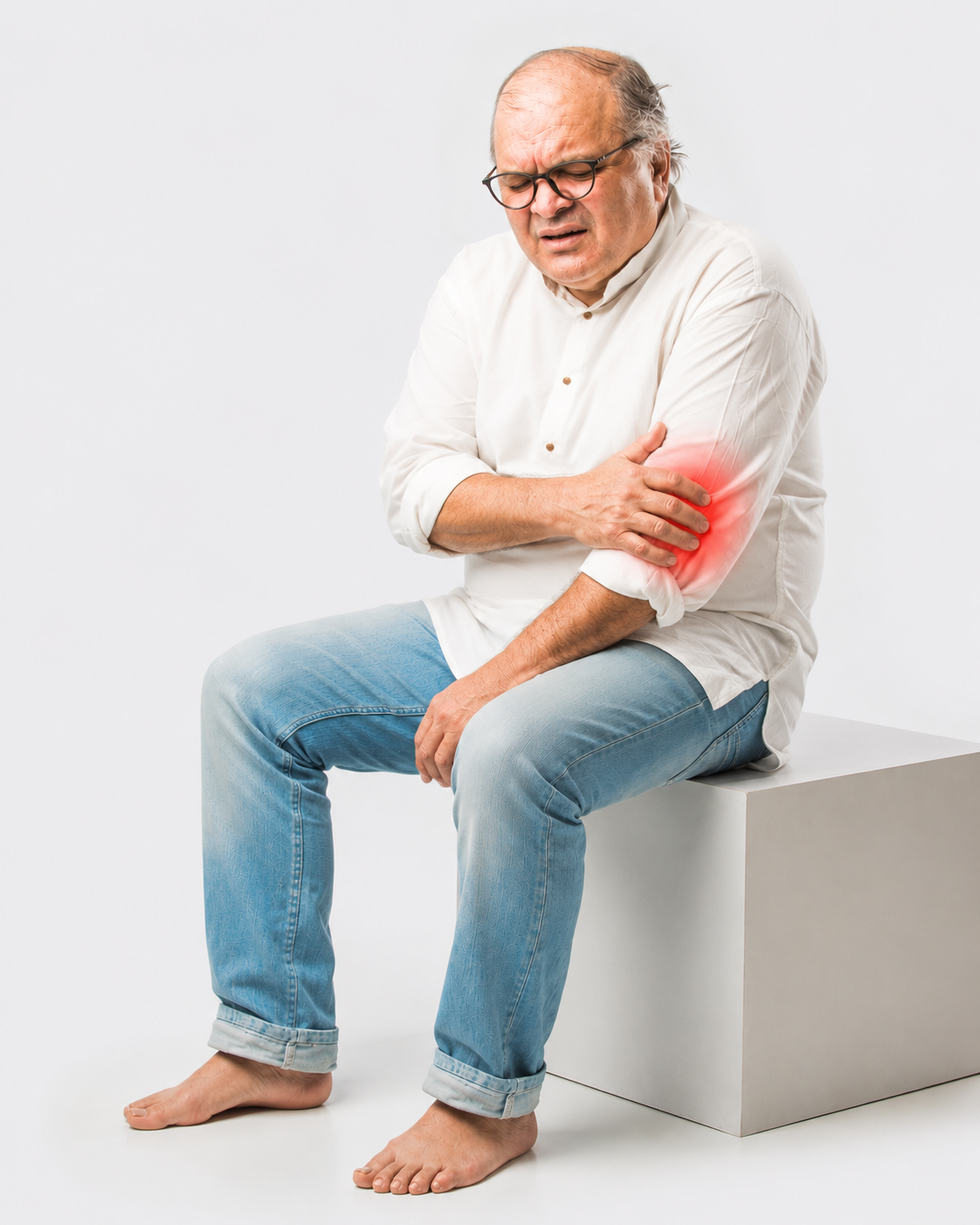
Elbow - Tennis elbow and golfer's elbow, particularly where physiotherapy and steroid injections gave only short-term benefit.
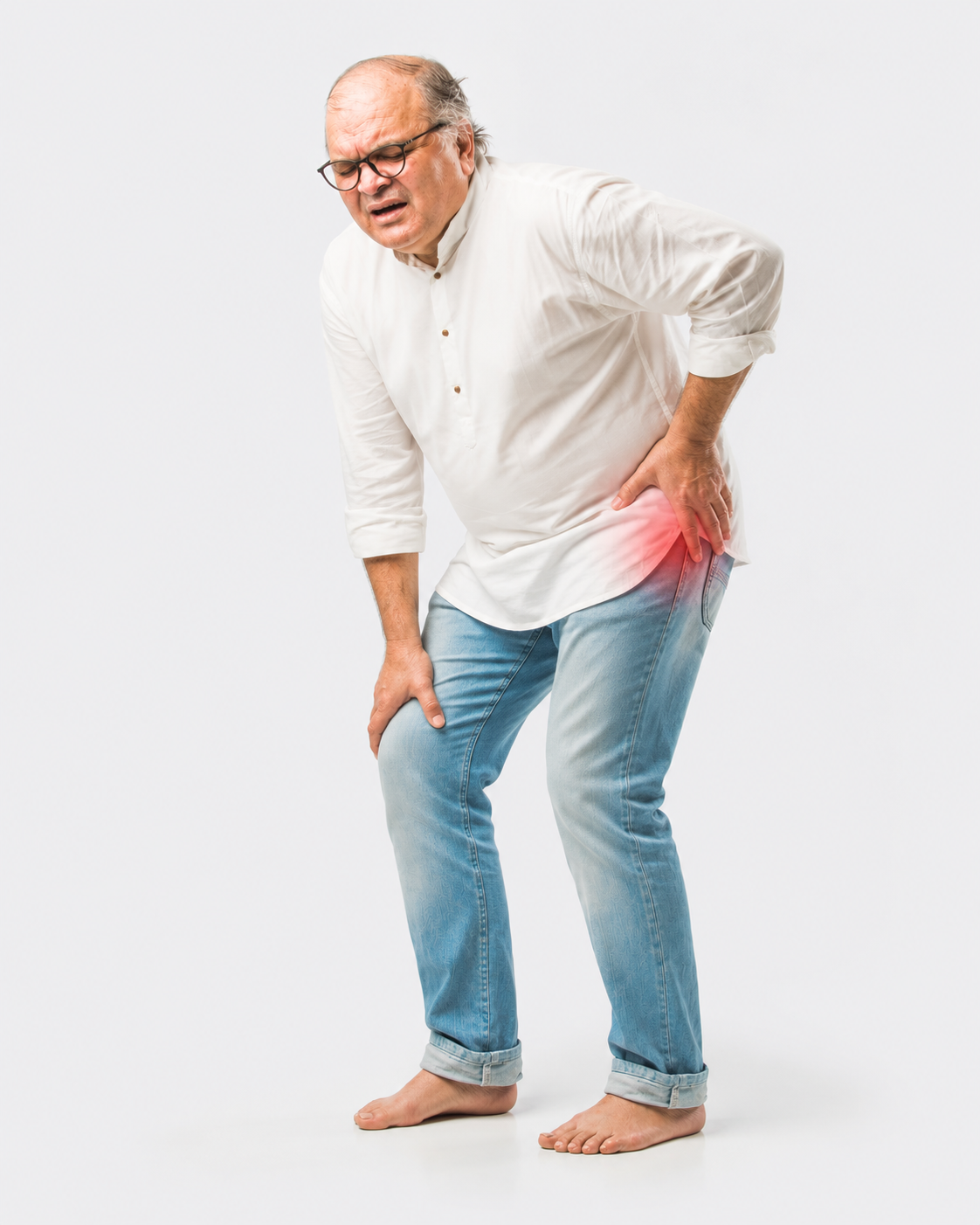
Hip - Joint pain, trochanteric bursitis, and ligament laxity in active individuals.
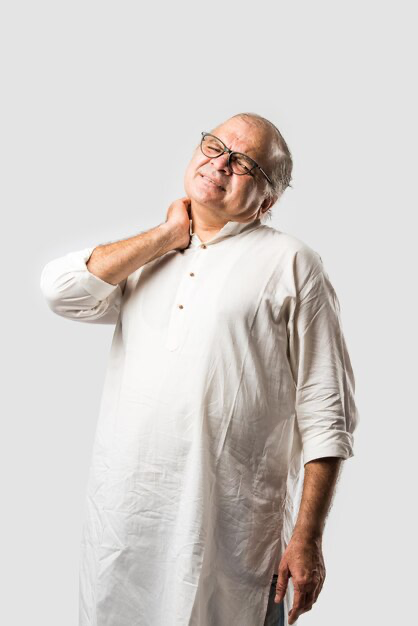
Neck and cervical spine - Cervicogenic headache, whiplash-related ligament injury, chronic instability-related neck pain.
Who Is a Suitable Candidate for Prolotherapy?
Prolotherapy may be the right option if you have:
Chronic joint, tendon, or ligament pain lasting more than 3 months
Pain persisting despite physiotherapy, anti-inflammatories, or corticosteroid injections
Ligament laxity, joint instability, or tendon degeneration confirmed on imaging
A wish to delay or avoid surgery, where clinically appropriate
A sports injury or overuse condition that's slow to heal
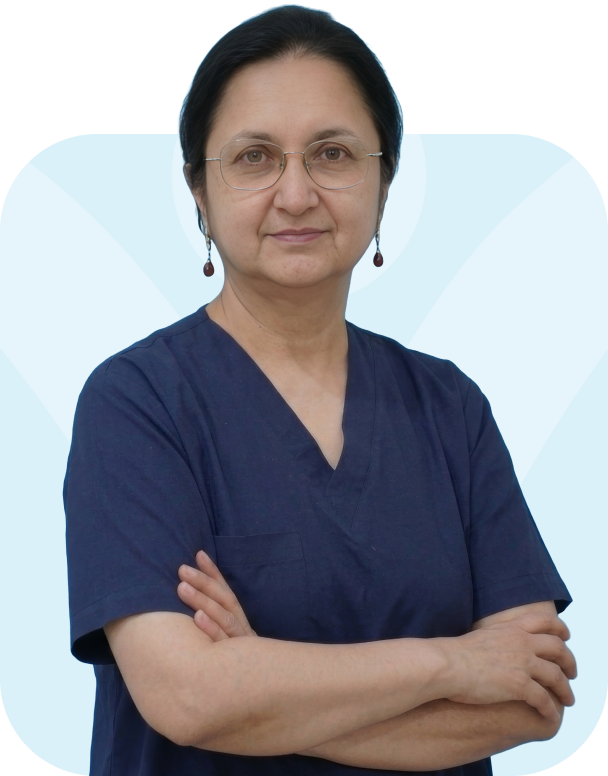
Best Doctors to Perform Prolotherapy Treatment in Mumbai

Who Should Not Have Prolotherapy?
Prolotherapy isn't appropriate for everyone. It's generally not recommended if you have an active local infection, advanced arthritis with severe structural joint destruction, a bleeding disorder or are on anticoagulant therapy, are in the first trimester of pregnancy, or have active cancer. Patients on high-dose immunosuppressants or corticosteroids may also be unsuitable.
Nivaan specialists will review your full medical history and imaging before proceeding, and will say so clearly if prolotherapy isn't the right fit for you.
The Prolotherapy Procedure, Step by Step
Before the procedure:
- Review of your medical history and examination of the affected area
- Confirming diagnosis with imaging (X-ray or MRI) where needed
- Pausing NSAIDs and anti-inflammatory medicines for 7 days before treatment, only on medical advice, since they suppress the response prolotherapy relies on
- Avoiding corticosteroid injections in the weeks prior, as advised
- Discussing blood thinners individually with your specialist
What happens during treatment:
- STEP 1Blood draw, when required - A small blood sample may be taken if the protocol combines prolotherapy with autologous growth factors.
- STEP 2Solution preparation - Typically dextrose in a local anaesthetic base, prepared at the appropriate concentration for your condition.
- STEP 3Site preparation - The treatment area is cleaned and, where required, numbed with local anaesthetic.
- STEP 4Guided injection - The solution is delivered precisely into the affected tendon, ligament, or joint capsule under ultrasound or fluoroscopic image guidance.
- STEP 5Completion - The procedure finishes in a single outpatient appointment.
Recovery and Aftercare
A temporary increase in soreness or warmth at the injection site during the first 24-48 hours is normal, it indicates the healing response has activated. Avoid NSAIDs and ice, since both suppress the inflammatory response prolotherapy is designed to trigger.
| Time | What to Expect |
|---|---|
| Immediately after | Mild soreness, warmth, or a temporary increase in pain |
| Days 1-3 | Initial flare settles; light daily activity resumed |
| Weeks 2-6 | Gradual pain reduction; early tissue strengthening begins |
| Weeks 6-12 | Meaningful functional improvement and collagen remodelling |
| Months 3-6 | Full benefit of tissue repair for many patients |
Prolotherapy at Nivaan is always combined with a structured physiotherapy programme, particularly important for runners and active individuals returning to training.
Benefits, Risks, and Side Effects
Benefits
Targets the root cause - Repairs damaged connective tissue rather than masking symptoms
Non-surgical - No incisions, hospital stay, or general anaesthesia
Naturally metabolised - Dextrose prolotherapy uses no foreign substances
Broad application - Applicable across joints, tendons, ligaments, and nerve pain
Minimal downtime - Light activity resumes within days
Risks and Side Effects
Injection-site reaction - Mild pain, soreness, or swelling, typically settling within 1-3 days
Expected pain flare - A brief post-injection flare as healing activates; expected, not a complication
Temporary nerve irritation - Can occur when injecting near a nerve, particularly with neural prolotherapy
Rare infection - Risk minimised by sterile, image-guided technique
Serious complications are rare, particularly under image guidance by an experienced specialist.
Cost of Prolotherapy in Mumbai
Cost depends on the number of joints treated per session, the number of sessions required, and the type of solution used (dextrose, prolozone, or a combined protocol). Most patients require two to four sessions in total, worth factoring in when comparing a per-session quote against the likely full course of treatment.
Results and Number of Sessions
Prolotherapy delivers gradual, cumulative results, not immediate relief.
Weeks 3-6 - First improvement
Weeks 6-12 - Meaningful pain reduction and better function
Months 3-6 - Full tissue remodelling and maximum benefit
Two to four sessions - Spaced 3-6 weeks apart
Shoulder and tendon injuries typically respond well. Knee and sacroiliac joint pain has the strongest published evidence base. Patients with advanced structural joint destruction tend to see limited benefit and may be better served by a surgical assessment.
Why Choose Nivaan Care for Prolotherapy in Mumbai?
| Prolotherapy | Nivaan Care | Standalone Injection |
|---|---|---|
| Who performs it | Interventional pain specialist under image guidance | General practitioner or clinic |
| Diagnosis | Exact pain source confirmed before treatment | Symptom-based |
| Injection technique | Ultrasound or fluoroscopy-guided | Freehand |
| Rehabilitation | Personalised physiotherapy post-treatment | None |
| Follow-up care | Structured, ongoing recovery plan | Rarely structured |
Frequently Asked Questions
Prolotherapy uses a dextrose solution to stimulate healing through controlled inflammation. PRP and GFC use concentrated growth factors from your own blood to directly deliver biological repair signals. They work through different mechanisms and are sometimes combined.
It uses very dilute dextrose injected along the course of a nerve to reduce neurogenic inflammation, a type of nerve-driven pain sensitisation that perpetuates chronic pain.
Combines ozone gas with the prolotherapy solution to improve oxygen delivery to tissues with poor blood supply, supporting cellular repair.
Yes, generally. Side effects are typically mild, temporary soreness, warmth, or a brief pain flare that settles within 1-3 days. Because dextrose is naturally occurring, there's no risk of allergic reaction to the solution.
No. It doesn't directly regenerate cartilage. In knee osteoarthritis, it works by reducing pain, improving joint stability, and supporting the tissue environment, which in selected early cases may help slow degenerative progression.
Most patients require two to four sessions, spaced 3-6 weeks apart, depending on the condition and individual response.
Yes, prolotherapy is offered as part of Nivaan Care's non-surgical, interventional pain management approach for patients in Mumbai.
Often a reasonable option to discuss, particularly for chronic ligament or tendon issues that keep recurring with training load. Suitability depends on your specific injury and imaging findings, which your specialist will assess before recommending a treatment plan and return-to-training timeline.