

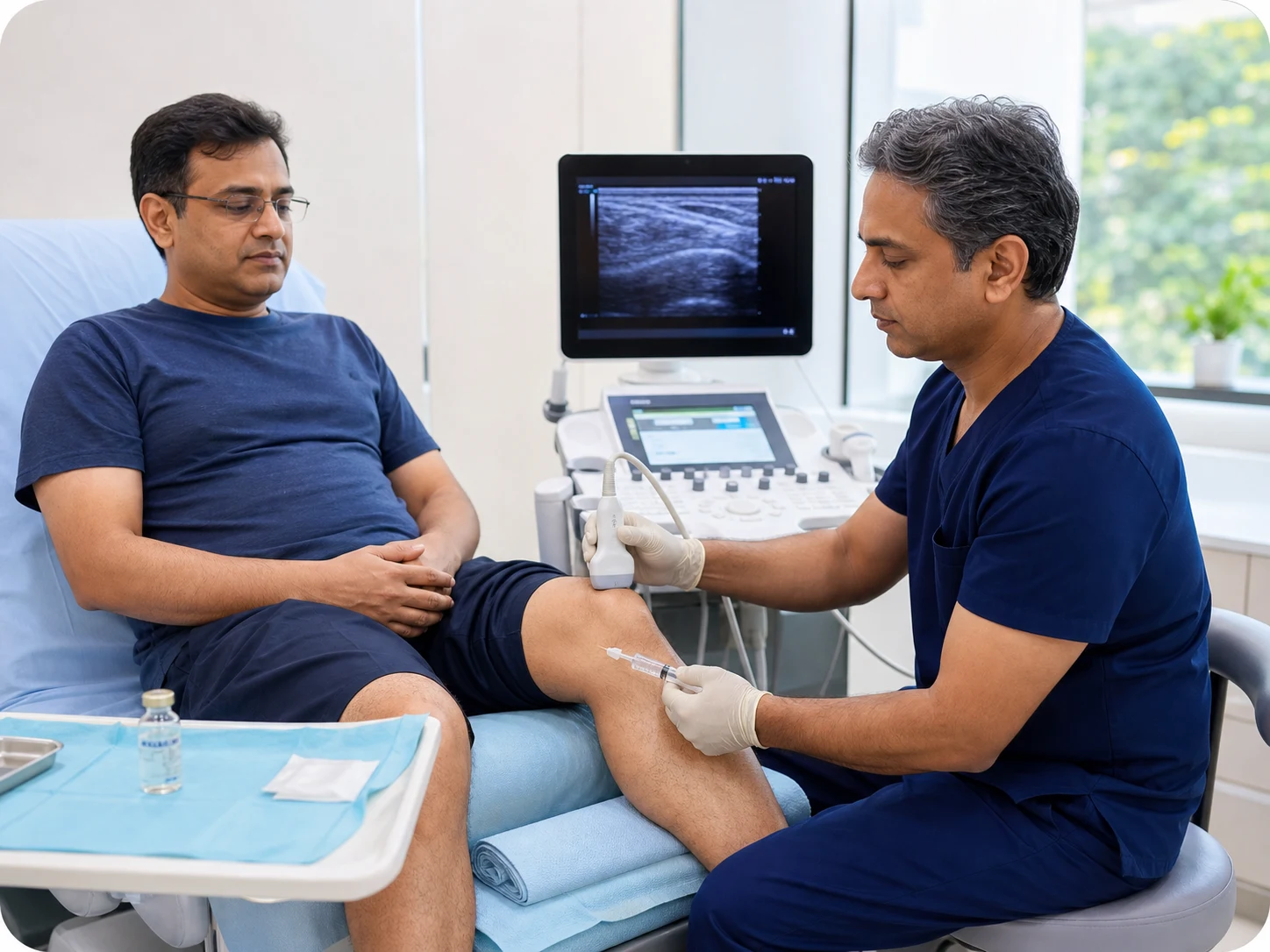
Dextrose prolotherapy: The standard approach. A dextrose solution is injected into weak tissue to call in repair cells and improve blood flow.
What Is Prolotherapy?
Prolotherapy, short for proliferative therapy, is a non-surgical injection treatment that gets your body to repair its own weak or damaged ligaments and tendons. The doctor injects a mild irritant solution, usually dextrose, a simple sugar solution, directly into the damaged area. This causes a small, controlled reaction at the injection site, which signals your body to send repair cells to that exact spot. These cells build new collagen, the material that makes up strong, healthy tendons and ligaments.
At Nivaan, prolotherapy is always done by a trained pain specialist using live imaging, so the solution goes exactly where it needs to go.
Here is what happens, in simple steps:
- A mild dextrose solution is injected into the weak or damaged tissue
- This creates a small, controlled reaction that calls in your body's own repair cells
- Those cells build new collagen, which thickens and strengthens the tissue
- Live imaging guides the needle to the exact spot needing repair
How Does Prolotherapy Work?
Tendons and ligaments often stay weak for a long time because they get very little blood supply compared to muscle. With poor blood flow, healing slows down or stalls completely, which is why physiotherapy and painkillers alone often only give short-term relief for long-term tendon or ligament pain.
The dextrose solution used in prolotherapy creates a small, short-lived reaction right at the injured spot. This pulls in the cells that build new collagen, brings in growth factors, and improves blood flow to the area. Over a few sessions, the tissue slowly gets thicker, stronger, and more stable.
Types of Prolotherapy
Neural prolotherapy: Uses a very diluted dextrose solution injected just under the skin along a nerve path, to calm nerve-related inflammation and pain sensitivity.
Prolozone therapy: Combines ozone gas with the prolotherapy solution to boost oxygen delivery and support cell repair in tissue that gets very little blood flow.
Your Nivaan specialist will decide which type suits your condition, based on your scans and your specific problem.
Conditions Treated with Prolotherapy in Jaipur
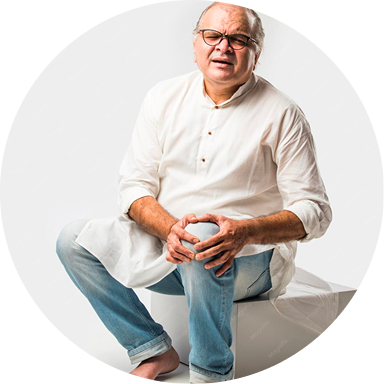
Knee: early to moderate osteoarthritis, ligament laxity, patellar tendon pain, ongoing knee instability.
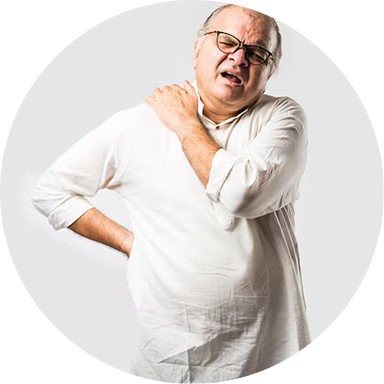
Lower back and sacroiliac joint: ongoing non-specific low back pain, sacroiliac joint dysfunction, lumbar ligament injury.
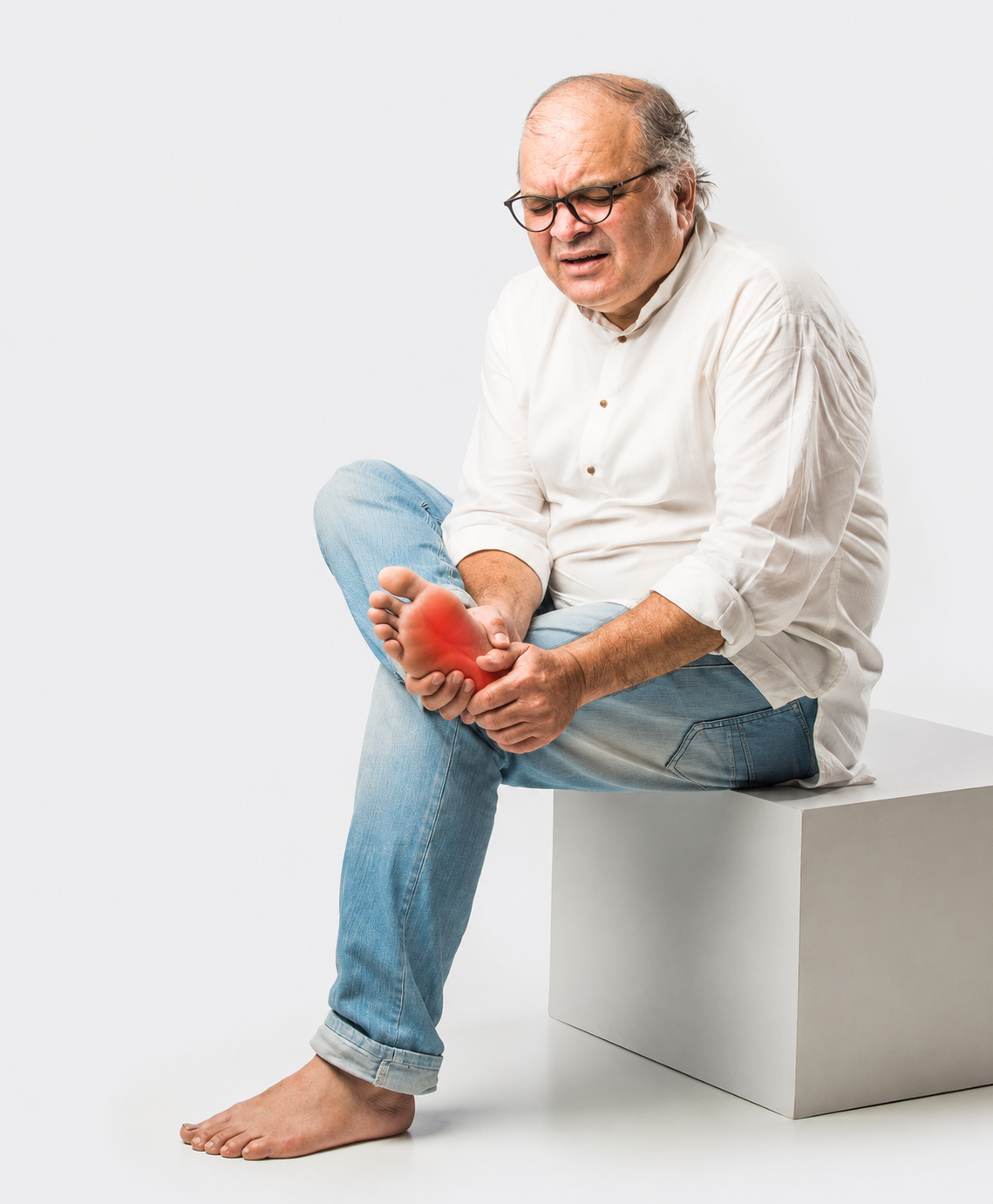
Ankle and foot: repeated sprains, Achilles tendon pain, plantar fasciitis, ongoing instability.
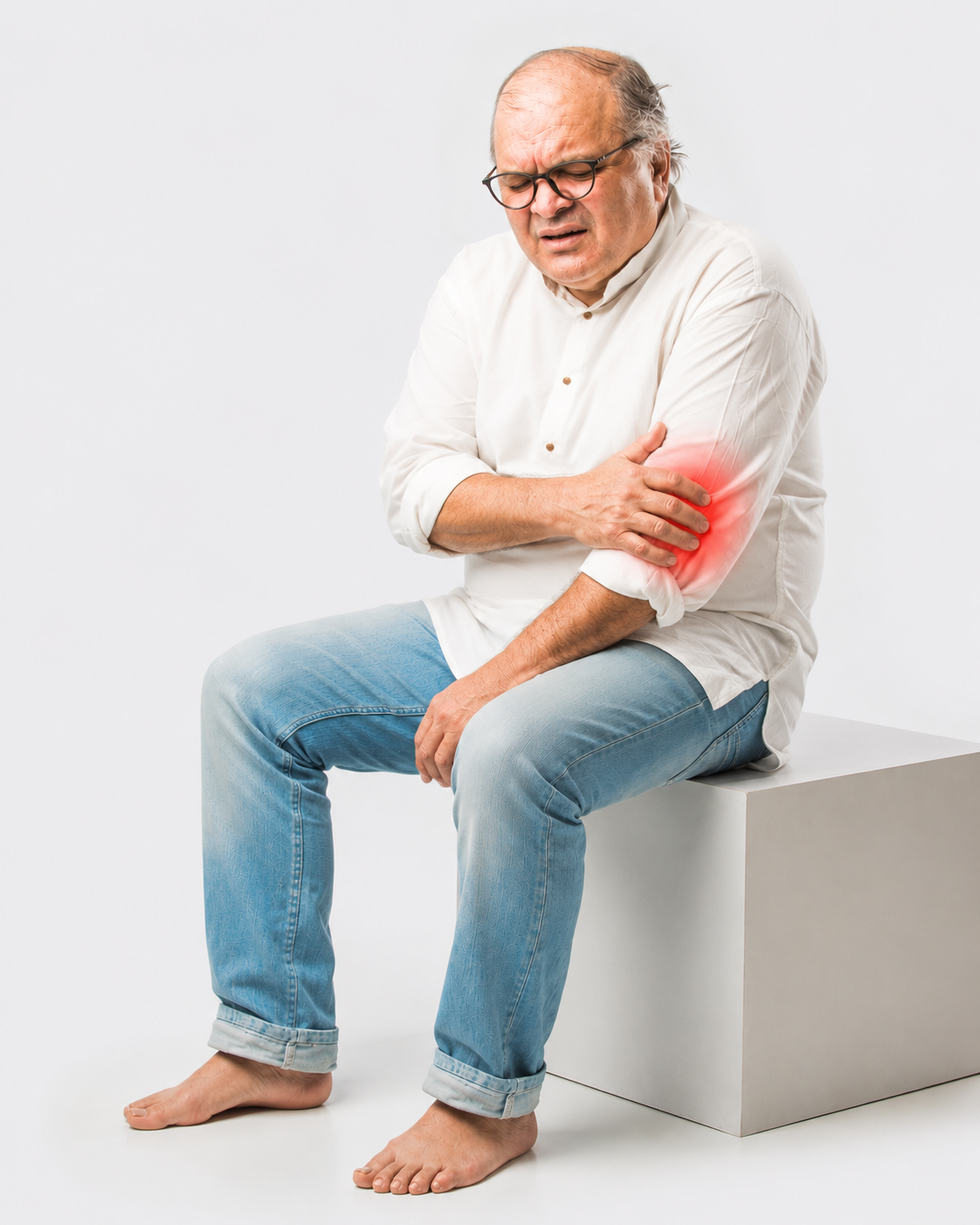
Elbow: tennis elbow and golfer's elbow, especially where physiotherapy and steroid injections only helped for a short time.
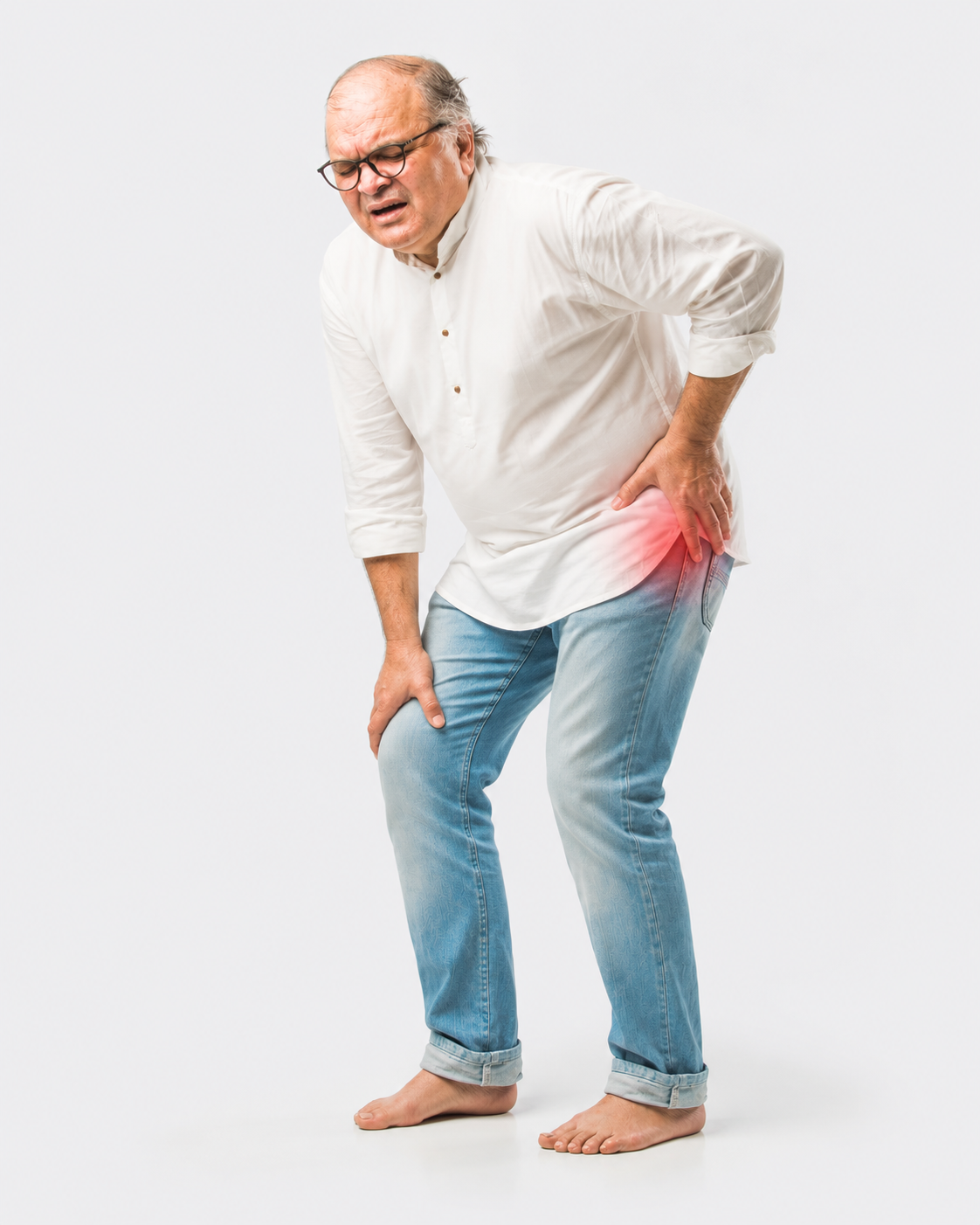
Hip: joint pain, trochanteric bursitis, and ligament laxity in active people.
Neck and cervical spine: headaches that start from the neck, whiplash-related ligament injury, ongoing neck instability.
Is Prolotherapy Right for You?
Prolotherapy may be a good fit if you have:
- Long-term joint, tendon, or ligament pain lasting more than 3 months
- Pain that has not improved with physiotherapy, anti-inflammatories, or steroid injections
- Ligament laxity, joint instability, or tendon wear confirmed on your scan
- A wish to delay or avoid surgery, where your doctor agrees this is safe
- A sports or activity-related injury that has been slow to heal
Who Should Not Have Prolotherapy
Prolotherapy is not right for everyone. It is generally not recommended if you have an active infection at the site, advanced arthritis with severe joint damage, a bleeding disorder or take blood-thinning medicine, are in the first trimester of pregnancy, or have active cancer. It may also not suit people on high-dose steroid tablets or immune-suppressing medicine. Your Nivaan specialist will review your full history and scans before going ahead, and will tell you clearly if prolotherapy is not the right fit for you.
The Prolotherapy Procedure Step by Step
Before the procedure:
- The doctor checks your medical history and examines the painful area
- An X-ray or MRI may be needed to confirm the exact problem
- Stop NSAIDs and anti-inflammatory tablets 7 days before treatment, only if your doctor tells you to, since these can block the very response prolotherapy relies on
- Avoid steroid injections in the weeks before treatment, as advised
- Discuss any blood thinners with your specialist individually
On the day of treatment:
- STEP 1Blood draw, if needed. A small blood sample may be taken if your treatment plan combines prolotherapy with growth factors from your own blood.
- STEP 2Preparing the solution. Usually dextrose mixed with a local anaesthetic, prepared at the right strength for your condition.
- STEP 3Preparing the area. The treatment area is cleaned, and numbed with local anaesthetic if needed.
- STEP 4The injection. The solution is delivered exactly into the affected tendon, ligament, or joint, using ultrasound or X-ray guidance.
- STEP 5Done. The whole procedure is completed in one outpatient visit.
Recovery and Aftercare
A short rise in soreness or warmth at the injection site during the first 24 to 48 hours is normal. It is actually a sign that the healing response has switched on. Avoid NSAIDs and ice packs during this time, since both can block the inflammatory response prolotherapy is designed to trigger.
| Time | What to Expect |
|---|---|
| Right after | Mild soreness, warmth, or a short rise in pain |
| Days 1-3 | Initial flare settles, light daily activity resumes |
| Weeks 2-6 | Pain slowly reduces, early tissue strengthening begins |
| Weeks 6-12 | Real improvement in function as collagen rebuilds |
| Months 3-6 | Full benefit for many patients |
Prolotherapy at Nivaan always comes with a structured physiotherapy plan. This matters most for people going back to sport, gym training, or physically active work once the tissue has strengthened.
Benefits, Risks, and Side Effects
Benefits of prolotherapy:
Treats the real cause: repairs damaged tissue instead of just masking the pain
No surgery: no cuts, no hospital stay, no general anaesthesia
Uses your body's own repair process: dextrose prolotherapy involves no foreign substances
Wide use: can help joints, tendons, ligaments, and some nerve-related pain
Quick recovery: light activity usually resumes within days
Risks and side effects:
Mild pain, soreness, or swelling at the injection site, usually gone in 1 to 3 days
A short flare of pain right after treatment, expected, and a sign the healing response has activated
Short-term nerve tingling, particularly with neural prolotherapy done near a nerve
Infection, rare, kept low with clean, image-guided technique
Serious complications are rare, especially when treatment is done under image guidance by an experienced specialist.
Results and Number of Sessions
Prolotherapy builds results gradually over time. It does not give instant relief.
Weeks 3-6: first improvement
Weeks 6-12: real pain relief and better function
Months 3-6: full tissue rebuilding and maximum benefit
Sessions: two to four, spaced 3 to 6 weeks apart
Shoulder and tendon injuries typically respond well. Knee and sacroiliac joint pain have the strongest research behind them. Patients with severe, advanced joint damage tend to see less benefit and may be better suited to a surgical opinion.
Prolotherapy Cost in Jaipur
The cost of prolotherapy in Jaipur depends on how many joints are treated per session, the total number of sessions needed, and which solution is used, dextrose, prolozone, or a combined protocol. Most patients need two to four sessions in total, which is worth keeping in mind when comparing a single-session quote against the full likely course of treatment.
Best Doctors for Prolotherapy Treatment in Jaipur

Why Choose Nivaan Care for Prolotherapy in Jaipur
| Prolotherapy Care | Nivaan Care | Standalone Injection |
|---|---|---|
| Who performs it | Interventional pain specialist, using image guidance | General practitioner or clinic |
| Diagnosis | Exact pain source confirmed before treatment | Often based on symptoms only |
| Injection technique | Guided by ultrasound or X-ray | Often done freehand |
| Rehabilitation | A personalised physiotherapy plan after treatment | Usually not included |
| Follow-up care | A structured, ongoing recovery plan | Rarely followed up |
Nivaan Care Clinics in Jaipur
Mansarovar Clinic Shipra Path, Mansarovar Sector 5, Mansarovar, Jaipur, Rajasthan 302020 Phone: +91 73587 02748
Lalkothi Clinic Plot No. 5, Sahakar Marg, near Rajasthan Vidhan Sabha, Vidyadhar Nagar, Lalkothi, Jaipur, Rajasthan 302007 Phone: +91 73587 03499
Choose the clinic that is easier for you to reach, and please book your appointment in advance. Both clinics have the same specialist, the same equipment, and the same treatment method.
Frequently Asked Questions
Most people need two to four sessions, spaced 3 to 6 weeks apart. Your specialist checks your progress after each session. Some conditions improve after two sessions, others need the full four. You are never locked into a fixed package upfront.
Yes. Some treatment plans combine dextrose prolotherapy with growth factors from your own blood, either PRP or GFC, for a stronger regenerative effect. Your specialist decides whether combining treatments adds real value for your specific tissue and condition, rather than offering it as an automatic upsell.
It can, when the pain is coming from a ligament injury or sacroiliac joint problem. If the real cause is a slipped disc, nerve compression, or facet joint arthritis, prolotherapy is not the right tool, and your specialist will guide you to the correct treatment instead.
Often, yes. Repeated ankle sprains that leave the joint feeling loose or unstable are a common reason people come in for prolotherapy. The treatment aims to thicken and strengthen the stretched ligaments so the joint feels stable again. Your specialist will confirm this is the right fit for your specific injury on ultrasound first.