Natural joint-fluid component
HA gives healthy synovial fluid its viscous, gel-like consistency.


patients treated
advanced non-surgical procedures
years of combined expertise
Hyaluronic acid injections at Nivaan Care are a non-surgical, minimally invasive viscosupplementation treatment that restores the natural lubricating fluid in arthritic joints, reducing pain, improving mobility, and helping patients avoid or delay joint replacement surgery. Whether you need hyaluronic acid for knee pain, HA injection for knee osteoarthritis, HA injections for hip pain, or HA injections for shoulder pain, the multidisciplinary team at Nivaan Care delivers precise, image-guided care as part of a complete, root-cause pain management plan. If you are looking for hyaluronic acid treatment in Delhi, Nivaan Care offers an advanced, image-guided approach that goes beyond a standalone injection.
A hyaluronic acid (HA) injection, also called viscosupplementation or a visco injection, is a non-surgical procedure that restores the natural lubricating properties of synovial fluid in an arthritic joint. HA is a naturally occurring complex sugar molecule present in healthy joint fluid, giving it its viscous, gel-like consistency that allows joint surfaces to move smoothly over each other.
Hyaluronic acid osteoarthritis management addresses this directly. In OA, HA in the joint decreases with age and cartilage breakdown, reducing lubrication and cushioning, increasing friction, and contributing to pain and stiffness. Injecting pharmaceutical-grade HA directly into the joint temporarily restores these properties, reducing pain and improving joint function.
HA gives healthy synovial fluid its viscous, gel-like consistency.
Pharmaceutical-grade HA temporarily restores lubrication and cushioning in the arthritic joint.
Better joint-fluid properties allow joint surfaces to move more smoothly.
HA is injected directly into the joint under image guidance.
HA injections work through two complementary mechanisms:
Injected HA restores the viscosity and cushioning of synovial fluid, reducing friction between arthritic joint surfaces and absorbing mechanical shock during movement. This is the primary mechanism for immediate pain relief.
HA directly modulates inflammatory responses that drive osteoarthritis pain, reducing prostaglandins and cytokines that sensitise pain receptors in the joint.
HA injections do not repair cartilage or reverse osteoarthritis. They improve the joint's mechanical and inflammatory environment, reducing pain, improving walking tolerance, and supporting rehabilitation for weeks to months.
Molecular weight matters: high-molecular-weight HA formulations are thicker and more viscous, producing the strongest lubricating effect and longer relief. Nivaan uses pharmaceutical-grade, high-molecular-weight HA for all viscosupplementation procedures.
HA injections are recommended for joint conditions where the articular cartilage and synovial fluid have deteriorated, particularly where conservative care alone has not provided lasting relief:

Early to moderate osteoarthritis, post-traumatic pain, and knee pain limiting walking or stair climbing.
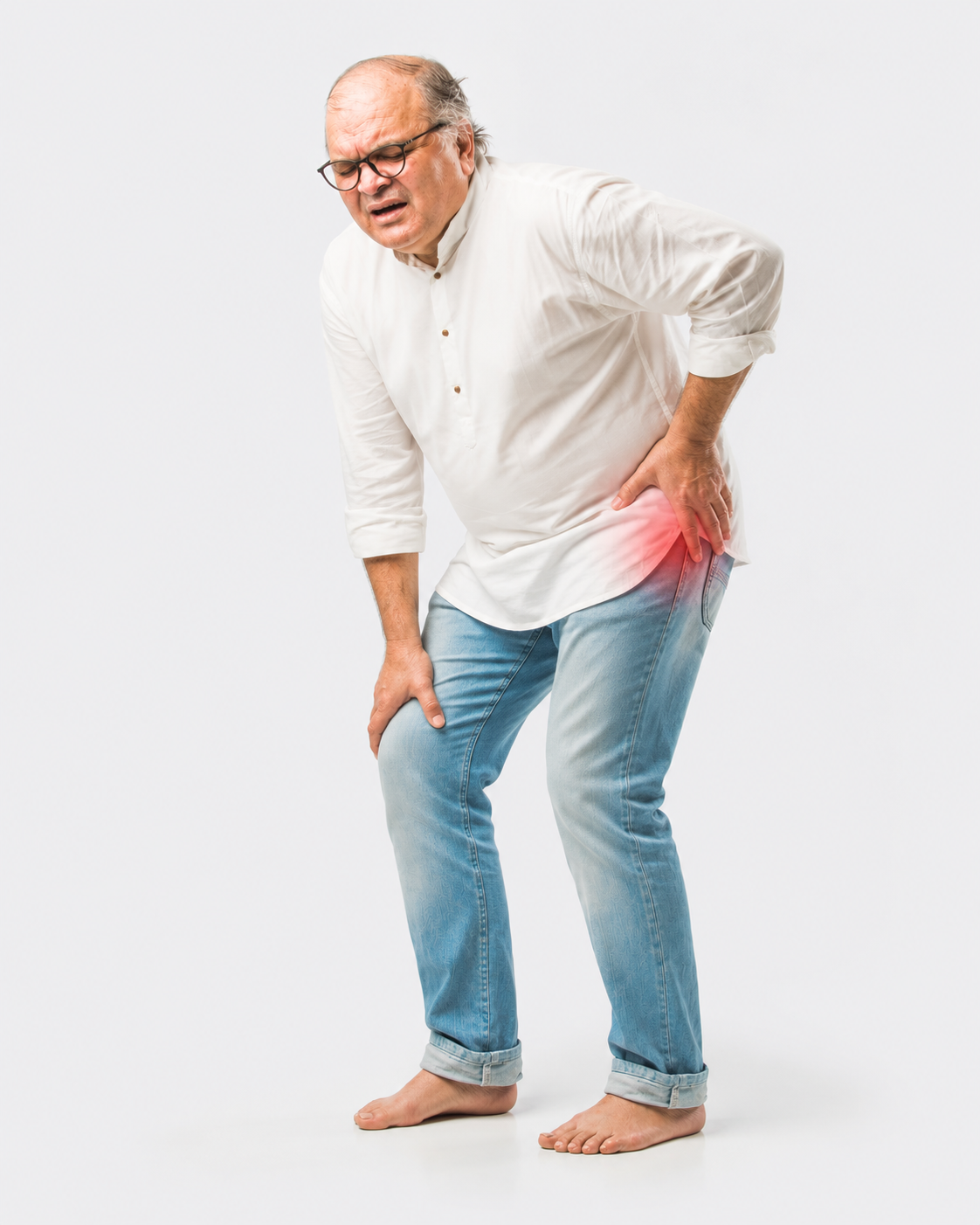
Hip osteoarthritis pain and groin or lateral hip discomfort from joint degeneration.

Glenohumeral joint osteoarthritis, stiffness, and pain from degenerative change.

Ankle joint osteoarthritis from degenerative or post-traumatic causes.
A specialist assessment, including imaging and clinical examination, determines whether HA injection is appropriate for your specific joint, stage, and history. For patients seeking hyaluronic acid treatment in Delhi, Nivaan's specialists provide a comprehensive joint assessment before any procedure is recommended.
HA injections work best in carefully selected patients. They may be a good option if you have:
Kellgren-Lawrence Grade I-III disease with some joint space remaining.
Knee, hip, or shoulder pain that limits daily function such as walking, climbing stairs, or dressing.
Insufficient or inadequate relief from physiotherapy, oral anti-inflammatories, or paracetamol.
A wish to delay or avoid joint replacement surgery, where clinically appropriate.
Previous corticosteroid injections provided only short-term benefit.
A preference for a treatment with a longer-lasting effect than steroids.
Honest, careful selection is essential, which is why your Nivaan specialist will recommend HA injection only when the clinical assessment supports it.
The procedure is minimally invasive and completed in a single outpatient visit, typically taking 15-20 minutes.
The skin over the joint is cleaned and a local anaesthetic is applied or injected. At Nivaan, ropivacaine is used where numbing is required, a less toxic option than lidocaine, which can worsen joint cartilage.
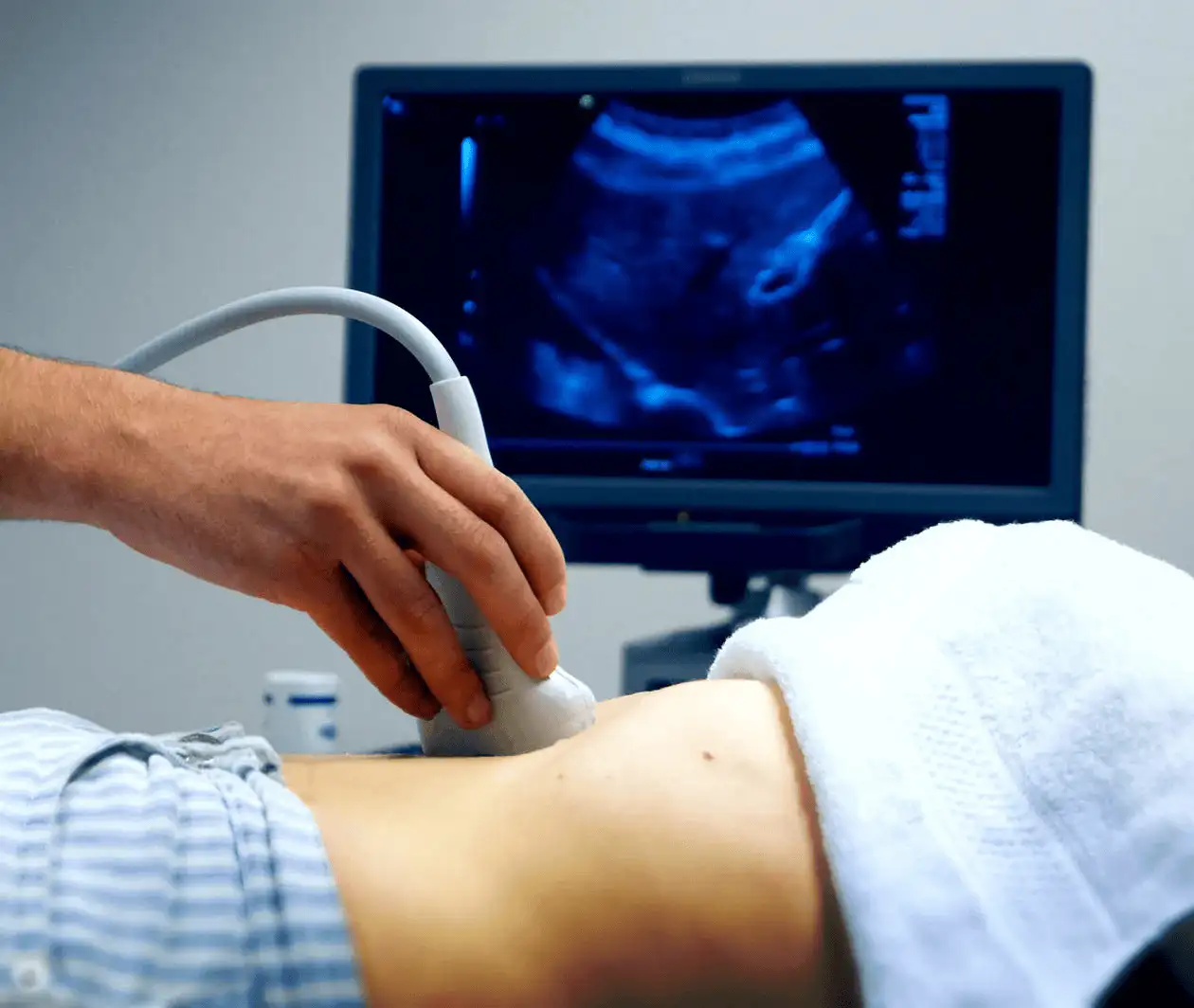
Under ultrasound or fluoroscopic guidance, a fine needle is directed accurately into the joint space. Image guidance ensures the HA reaches the joint rather than surrounding soft tissue.
The HA preparation is injected into the joint space. You may feel mild pressure or a sensation of fullness during the injection.
The needle is removed and a small dressing applied. You are discharged the same day. If joint fluid is present, your specialist may drain it first to relieve pressure and improve HA distribution.
You may experience mild soreness, stiffness, or a temporary flare of joint pain for 1-3 days after the injection, a normal response as the joint adjusts to the procedure. Avoid jogging, heavy lifting, prolonged standing, and contact sports for the first 48-72 hours. Resume light daily activities as tolerated.
| Time | What to expect |
|---|---|
| Immediately after | Mild soreness or a fullness sensation at the injection site |
| Days 1-3 | Settling of post-injection discomfort; light activity resumed |
| Weeks 2-4 | Progressive improvement in joint pain and walking tolerance |
| Weeks 4-8 | Meaningful reduction in pain and stiffness; better daily function |
| Months 2-6 | Sustained relief; physiotherapy consolidates functional gains |
| Month 6+ | Repeat injection considered if relief has reduced |
A specialist at Nivaan may recommend combining HA injection with physiotherapy and core or gluteal strengthening to maximise and extend results.
No incisions, no implants, no hospital admission, and no general anaesthesia.
Supported by randomised controlled trials and endorsed by global rheumatology organisations including EULAR, with evidence for single and repeated protocols.
HA typically provides 6 months of significant relief, longer than the 4-8 weeks typical of corticosteroid injections.
A 2018 systematic review found repeated HA injections remained safe and continued to reduce pain for more than two years with ongoing treatment.
Return to light daily activity within 48-72 hours.
Meaningful relief can allow physiotherapy and activity to continue, slowing progression in appropriate patients.
HA treatment at Nivaan is coordinated with physiotherapy to maximise and extend functional benefit.
HA injections have a well-established safety profile when performed under image guidance by a trained specialist.
Mild pain, swelling, or warmth at the injection site usually settles within 1-3 days.
A post-injection pain flare is a normal joint response and generally resolves in 2-5 days.
Severe pain and swelling can appear up to 3 days after injection and requires medical assessment. Inform your doctor immediately if symptoms are unusually severe.
Rare infection at the injection site is minimised by sterile, image-guided technique.
This is more likely with avian-derived formulations; risk is minimal with synthetic laboratory-produced HA.
Serious complications from HA injection are uncommon. No general anaesthesia is needed. Before proceeding, your Nivaan specialist will complete a thorough assessment and explain what to expect. Hyaluronic acid treatment in Delhi at Nivaan uses sterile, image-guided technique to minimise all procedure-related risks.
| Comparison | HA injection | Steroid / PRP-GFC |
|---|---|---|
| Mechanism | Lubrication and anti-inflammatory | Steroid: anti-inflammatory only; PRP/GFC: biological repair and anti-inflammatory |
| Onset of relief | 2-4 weeks | Steroid: 3-7 days; PRP/GFC: 2-6 weeks |
| Duration of relief | 6 months, sometimes longer | Steroid: typically 4-8 weeks; PRP/GFC: 12-24 months in appropriate patients |
| Number of injections | One or three, one week apart | Steroid: 1-2; PRP/GFC: 1-3, 4-6 weeks apart |
| Cartilage protection | Possible; may reduce joint-space narrowing | Steroid: no; repeated use may worsen cartilage. PRP/GFC: possible in early to moderate OA |
| Best for | Moderate OA with persistent pain | Steroid: acute pain flare; PRP/GFC: early to moderate OA or tendon and ligament injury |
Your Nivaan specialist will recommend the correct option or a combination based on your joint staging, symptom pattern, and previous treatment history.
HA injection delivers progressive results. Most patients notice meaningful improvement within 2-4 weeks, with full benefit building over 6-8 weeks.
First improvement.
Meaningful pain reduction and better joint mobility.
Full functional gains.
Most patients receive one injection or three weekly injections, depending on the preparation and joint stage.
A 2023 clinical study found that a majority of patients receiving a single high-concentration HA injection achieved at least 50% improvement in pain, stiffness, and walking ability lasting six months. For deeper or more established OA, a course of three injections spaced one week apart produces more sustained results than a single injection.
Responses vary. HA injections provide significant relief for most patients with moderate knee or hip OA. Patients with severe, bone-on-bone joint destruction, those who are significantly overweight, or those aged over 65 with advanced disease may show lesser improvement.
A repeat course at 6 months is appropriate for patients who experienced good relief from the initial treatment.
Your specialist selects the protocol according to the HA preparation and joint stage.
Hyaluronic acid treatment at Nivaan Care works best as part of a complete, expert-led plan, not a standalone procedure. Every patient receiving hyaluronic acid treatment in Delhi at Nivaan is guided by a full multidisciplinary team:
Assesses joint staging with imaging, performs the HA injection under image guidance, and coordinates the overall treatment plan.
Builds a personalised rehabilitation programme after the injection to strengthen the muscles protecting the joint and extend the duration of HA relief.
Addresses the chronic pain cycle, fear, sleep disruption, and activity avoidance that compound joint pain and limit recovery.
Supports recovery through anti-inflammatory nutritional guidance; excess body weight significantly increases joint load and reduces HA injection effectiveness.
Your Nivaan specialist recommends the correct option or combination based on joint staging, symptom pattern, and previous treatment history.
| HA injection | Nivaan Care | Standard HA injection |
|---|---|---|
| Who performs it | Interventional pain specialist under image guidance | GP, orthopaedic surgeon, or clinic may not use guidance |
| Diagnosis | Joint staged with imaging before treatment | Often symptom-based |
| Image guidance | Always ultrasound or fluoroscopy | Often absent; blind injection reduces accuracy |
| Local anaesthetic | Ropivacaine, less toxic than lidocaine | May use lidocaine, which can worsen cartilage |
| Rehabilitation | Personalised physiotherapy plan post-injection | None |
| Mental and emotional support | Dedicated pain counsellor | Not addressed |
| Nutrition guidance | Anti-inflammatory nutrition plan by expert | Not included |
| Treatment approach | Full multidisciplinary care team | Single injection in isolation |
| Long-term outcomes | HA benefit sustained by rehabilitation and weight management | Variable, often shorter relief without a post-procedure plan |
| Follow-up care | Ongoing, structured recovery monitoring | Rarely structured |
Our integrated treatment model delivers superior outcomes compared to delivering HA injection in isolation.
Delhi
F-23, Nivaan, opposite Sri Aurobindo College, Geetanjali Enclave, New Delhi 110017
Dr. Rohit Gulati
Delhi
B-18, Nehru Place Flyover, Chirag Enclave, New Delhi 110048
Dr. Rohit Gulati
Delhi
25A, Block A1, Safdarjung Enclave, New Delhi 110029
Dr. Naveen Talwar
Delhi
CS/OCF-4, Pocket 10, Sector-24, New Delhi 110085
Dr. Garima Gupta
Delhi
67/1 New Rohtak Road, Guru Gobind Singh Marg, New Delhi 110005
Dr. Garima Gupta
Delhi
D-36, Block C, Acharya Niketan, New Delhi 110091
Dr. Abhimanyu Rana