Your own blood
A small sample of your blood provides the treatment material.


patients treated
advanced non-surgical procedures
years of combined expertise
GFC treatment at Nivaan Care is a regenerative therapy that uses growth factors from your own blood to repair damaged tissue, reduce pain, and restore movement, without surgery. Whether you need GFC treatment for joint pain, ankle problems, shoulder injuries, or GFC treatment for foot conditions. If you are looking for GFC treatment in Delhi, Nivaan Care offers an advanced, non-surgical regenerative approach that goes beyond a standalone injection.
Stop masking the pain. Start healing the cause.
GFC treatment (Growth Factor Concentrate therapy) is a non-surgical, injection-based regenerative therapy. A small sample of your own blood is processed to isolate a highly concentrated dose of growth factors, the natural proteins your body uses to heal, and is injected precisely into the affected area.
Because it is derived entirely from your own body (autologous), GFC treatment works with your natural healing process rather than masking symptoms, making it a safe and effective option for many people seeking to avoid or delay surgery.
A small sample of your blood provides the treatment material.
The sample is processed to isolate a highly concentrated dose of the natural proteins your body uses to heal.
The concentrate is injected directly into the affected area.
Because it comes entirely from your own body, it works with your natural healing process.
GFC works by delivering a concentrated supply of growth factors directly to the site of injury. These growth factors support the body's natural repair process, improving blood supply, reducing inflammation, and aiding the healing of tendons, ligaments, and muscle. In joint conditions such as osteoarthritis, GFC works mainly by easing pain and improving comfort and function; importantly, it does not regrow cartilage or cure arthritis, but it can relieve symptoms and, in selected early cases, may help delay progression.
GFC is considered a more refined, concentrated form of PRP (platelet-rich plasma). While PRP delivers platelets along with other blood components, GFC isolates a higher, purer concentration of the growth factors themselves, providing a stronger regenerative stimulus.
GFC is recommended for a range of joint and soft-tissue conditions, particularly where conservative care alone has not given lasting relief:
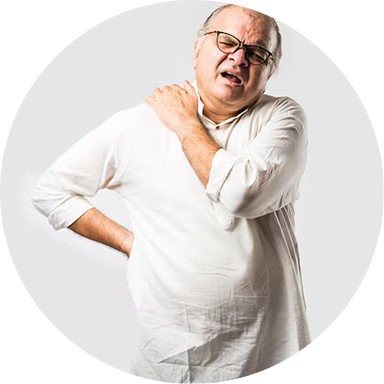
Rotator cuff injuries, tendon problems, and joint pain.
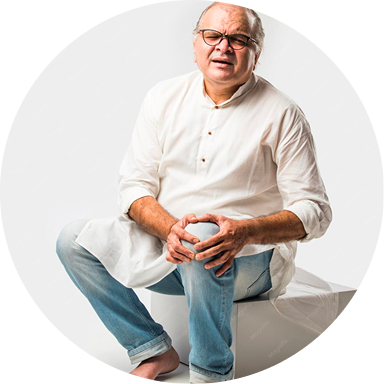
Early to moderate osteoarthritis, ligament and tendon strain, and cartilage wear.
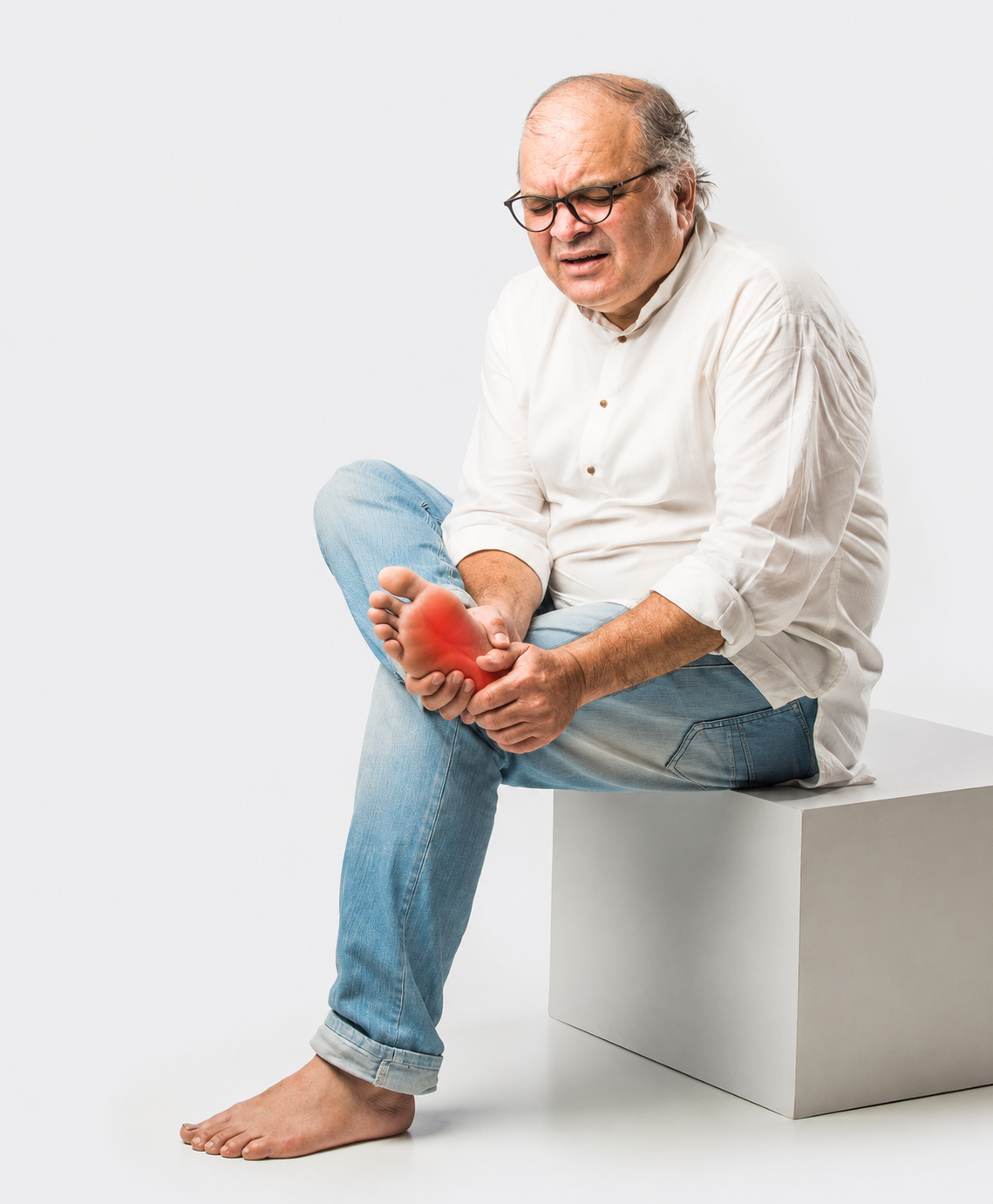
Chronic sprains, Achilles and plantar tendon issues, and persistent foot pain.
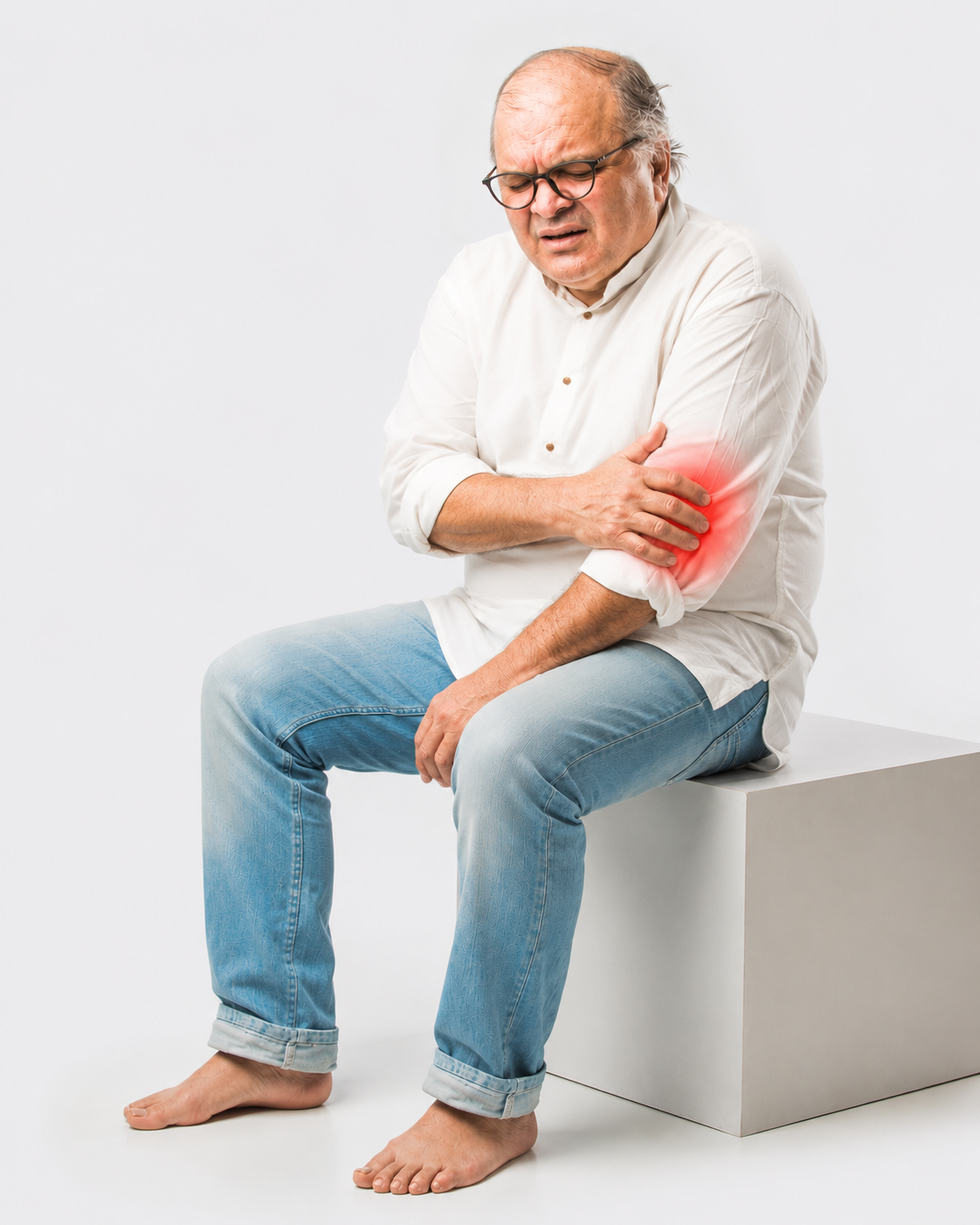
Tennis elbow, golfer's elbow, and tendon overuse injuries.
Soft-tissue, ligament, and degenerative pain.
A specialist assessment determines whether GFC is suitable for your specific condition.
GFC works best in carefully selected patients. It may be a good option if you have:
Early to moderate joint or soft-tissue problems.
Pain that persists despite physiotherapy and medication.
A tendon, ligament, or muscle injury that is slow to heal.
A wish to delay or avoid surgery, where clinically appropriate.
GFC is generally not suitable for advanced arthritis with severe joint damage or deformity, or for constant, disabling pain situations where other treatments, including surgery, may offer more predictable relief. Honest, careful selection is essential, which is why your Nivaan specialist will recommend GFC only when it is genuinely likely to help.
The treatment is minimally invasive and typically completed in a single outpatient visit.
A small sample of your blood is drawn, similar to a routine blood test.
The sample is processed in a specialised system to isolate and concentrate the growth factors.
The treatment area is cleaned and, if needed, numbed for comfort.
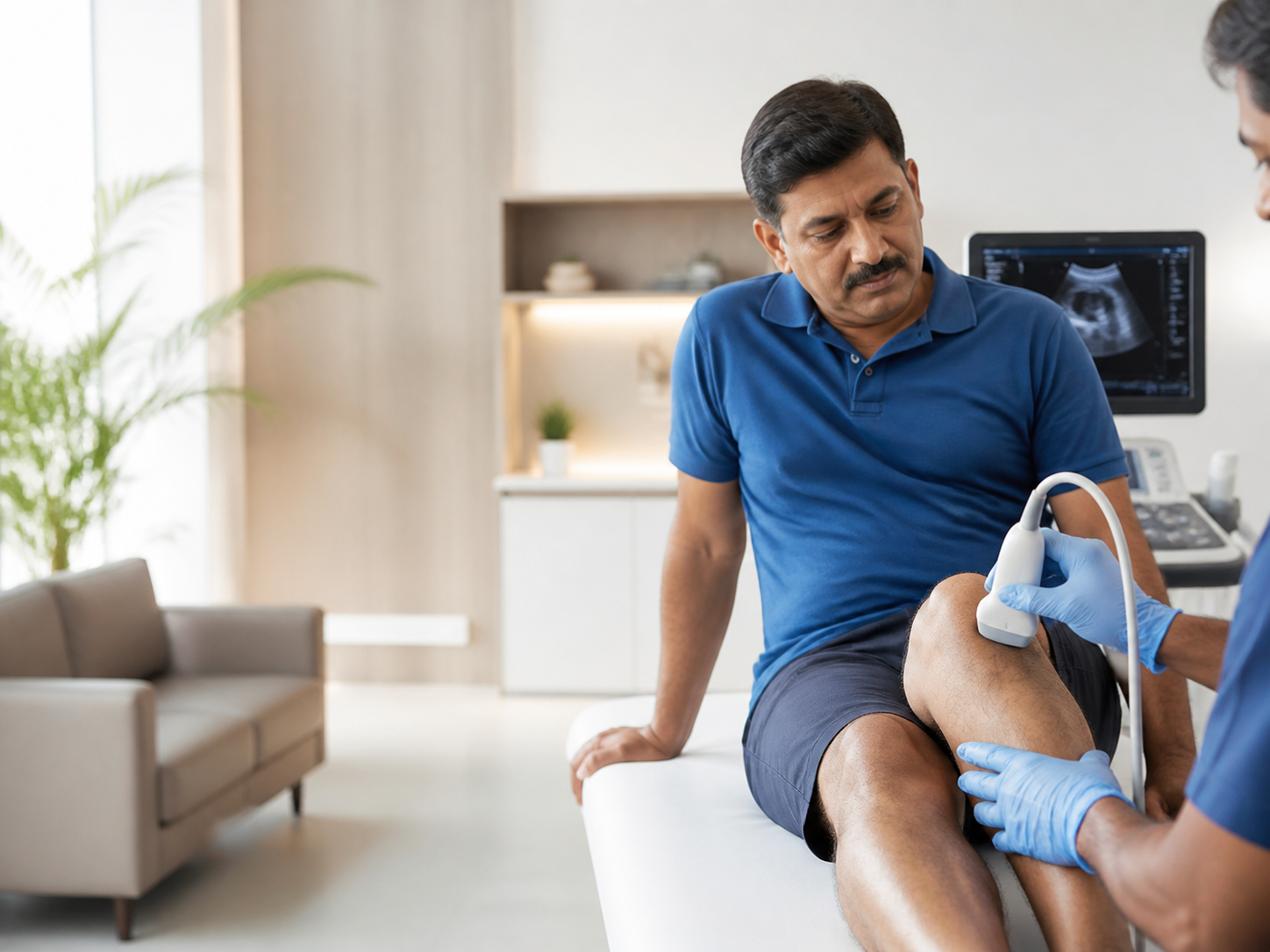
The growth factor concentrate is injected precisely into the affected joint or tissue, often under ultrasound or image guidance for accuracy.
The short procedure is finished, and you can usually go home the same day.
You may experience mild soreness, swelling, or warmth at the injection site for a day or two, a normal part of the healing response that settles on its own.
| Time | What to expect |
|---|---|
| Immediately after | Mild soreness or warmth at the injection site |
| Days 1-3 | Settling of soreness; light activity resumed |
| Weeks 2-4 | Gradual improvement in pain and movement |
| Weeks 4-12 | Continued tissue repair and functional gains |
A specialist at Nivaan may recommend combining GFC treatment in Delhi with physiotherapy to maximise results.
Uses your own blood, with a very low risk of reaction.
No incisions, no stitches, and no hospital stay.
Promotes genuine tissue repair, not just pain relief.
A quick return to everyday activity.
Supports natural healing rather than masking symptoms.
A regenerative option before more invasive steps.
GFC treatment has a strong safety profile because it uses your own blood (autologous), so there is no risk of rejection, allergic reaction to the concentrate, or disease transmission.
Mild pain, swelling, or bruising at the injection site, usually settling within 1-3 days.
Short-lived warmth or stiffness can occur around the treated area.
A brief increase in pain can occur as the healing response activates.
Rare infection at the injection site is minimised by sterile, image-guided technique.
Temporary nerve irritation can occur if the site is near a nerve structure.
A short post-injection flare can occur, particularly with joint GFC treatment for osteoarthritis.
Serious complications from GFC treatment are rare. No general anaesthesia is needed, only local numbing if required. Before proceeding with GFC treatment for joint, ankle, shoulder, or foot conditions, your Nivaan specialist will complete a thorough assessment and discuss what to expect.
GFC treatment in Delhi delivers gradual results, not instant relief. Pain reduces, and function improves over several weeks as growth factors stimulate repair, with full benefits building over 3-6 months.
First improvement.
Meaningful pain reduction and better movement.
Full functional gains.
Most people need one to three sessions, spaced 3-6 weeks apart.
Responses vary. GFC treatment in Delhi provides significant relief for many; for others it may be partial or temporary. GFC treatment for ankle, shoulder, and foot tendon injuries tends to respond well where damage is localised. GFC treatment for joint conditions works best in early to moderate stages.
The exact number of sessions depends on the condition and severity. Your specialist at Nivaan reviews progress after the first session and adjusts the plan; GFC treatment at Nivaan is always personalised.
Your specialist reviews progress after the first session and adjusts the plan.
GFC treatment at Nivaan Care works best as part of a complete, expert-led plan, not a standalone injection. Every patient is guided by a full multidisciplinary team working together toward one goal: lasting pain relief.
| Pain treatment with GFC | Nivaan Care | Other providers |
|---|---|---|
| Who performs it | Interventional pain specialist under image guidance | General practitioner or clinic |
| Diagnosis | Exact pain source identified before treatment | Symptom-based |
| Rehabilitation | Personalised physiotherapy plan after treatment | Not included |
| Mental and emotional support | Dedicated pain counsellor for fear, sleep and stress | Not addressed |
| Nutrition guidance | Anti-inflammatory nutrition plan by expert | Not included |
| Treatment approach | Full multidisciplinary care team | Single injection in isolation |
| Long-term outcomes | Clinically superior outcomes | Variable, often short-term relief |
| Follow-up care | Ongoing, structured recovery plan | Rarely structured |
Our integrated treatment model delivers superior outcomes compared to treating pain in isolation.
Delhi
F-23, Nivaan, opposite Sri Aurobindo College, Geetanjali Enclave, New Delhi 110017
Dr. Rohit Gulati
Delhi
B-18, Nehru Place Flyover, Chirag Enclave, New Delhi 110048
Dr. Rohit Gulati
Delhi
25A, Block A1, Safdarjung Enclave, New Delhi 110029
Dr. Naveen Talwar
Delhi
CS/OCF-4, Pocket 10, Sector-24, New Delhi 110085
Dr. Garima Gupta
Delhi
67/1 New Rohtak Road, Guru Gobind Singh Marg, New Delhi 110005
Dr. Garima Gupta
Delhi
D-36, Block C, Acharya Niketan, New Delhi 110091
Dr. Abhimanyu Rana