Diagnostic confirmation
A diagnostic nerve block first confirms the exact nerve responsible for pain.



patients treated
advanced non-surgical procedures
years of combined expertise
RFA treatment at Nivaan Care is an advanced, minimally invasive procedure that uses radiofrequency energy to interrupt the specific nerve carrying pain signals from a damaged joint or spinal structure to your brain. Whether you need RFA for back pain, RFA for neck pain, RFA for facet joint pain, RFA for sacroiliac joint pain, or RFA for knee pain, the multidisciplinary team at Nivaan Care delivers precise, image-guided care as part of a complete, root-cause pain management plan. If you are looking for RFA treatment in Delhi, Nivaan Care offers a targeted, image-guided approach that goes beyond a standalone procedure.
Stop masking the pain. Start interrupting it at the source.
Radiofrequency ablation (RFA), also called radiofrequency neurotomy, is a minimally invasive, non-surgical procedure. A fine needle electrode is precisely placed at the target nerve under image guidance. Radiofrequency current is passed through the electrode, generating controlled heat that creates a small lesion on the nerve. This lesion prevents the nerve from transmitting pain signals to the brain, providing lasting relief from the specific pain source.
Because RFA targets the exact nerve responsible for pain, confirmed in advance through a diagnostic nerve block, it addresses the pain signal at its anatomical origin, not just the symptoms.
A diagnostic nerve block first confirms the exact nerve responsible for pain.
Radiofrequency current generates controlled heat through a precisely positioned electrode.
The controlled lesion prevents the identified nerve from transmitting pain signals.
RFA addresses the pain signal at its origin rather than treating symptoms generally.
RFA works through a precisely controlled heat mechanism. When radiofrequency energy is applied to a pain-carrying nerve, it disrupts the nerve's ability to transmit signals to the brain. The treated nerve stops sending pain messages, and the result is a significant, often immediate reduction in chronic pain.
The procedure targets medial branch nerves for facet joint pain in the neck, mid-back, and lower back; lateral branch nerves for sacroiliac joint pain; and peripheral nerves for knee pain and selected joint conditions.
Unlike injections that reduce inflammation temporarily, RFA interrupts the pain pathway itself, which is why its effects last significantly longer than steroid-based treatments.
Before RFA is recommended, a diagnostic nerve block is performed at the same nerve. Meaningful relief confirms the pain source and predicts a good RFA response. If the block provides no relief, RFA at that location is unlikely to help. This diagnostic step is mandatory at Nivaan and separates precise, targeted RFA from generic pain management.
RFA is not a single technique. The correct type depends on the pain source, anatomy, and the nerve being treated.
Continuous radiofrequency current creates a heat lesion at the target nerve. It is the gold standard for cervical and lumbar facet joint pain and has the strongest clinical evidence base.
Short bursts of energy at lower temperatures modulate rather than destroy the nerve. It is used for nerve roots and peripheral nerves where conventional heat could risk motor or sensory function.
A water-cooled electrode creates a larger, more consistent lesion for sacroiliac joint pain, where the spread of lateral branch nerves requires a wider ablation zone.
Your Nivaan specialist will recommend the correct RFA type during your consultation based on your diagnosis, imaging, and diagnostic block response.
RFA treatment at Nivaan is recommended for chronic pain conditions where the specific pain-generating nerve has been identified and confirmed through diagnostic testing:

Lumbar facet joint arthritis, chronic low back pain from spondylosis, and sacroiliac joint dysfunction.
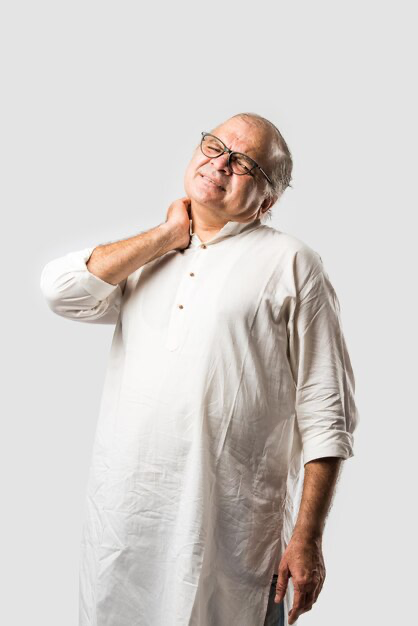
Cervical facet joint pain, cervicogenic headache, and post-whiplash chronic neck pain.
Thoracic facet joint pain and post-injury thoracic spine degeneration.

SI joint pain from degeneration, pregnancy-related changes, or adjacent segment stress.

Genicular nerve RFA for knee osteoarthritis pain and selected post-operative knee pain.
Selected facial pain cases involving the trigeminal nerve.
A specialist assessment, including imaging review and diagnostic block, determines whether RFA treatment in Delhi or at any Nivaan clinic is suitable for your specific pain source.
RFA works best in carefully selected patients. It may be a good option if you have:
Pain lasting more than 3 months and originating from a facet joint, sacroiliac joint, or peripheral nerve.
Confirmed significant pain relief from a prior diagnostic nerve block at the same location.
Pain that persists despite physiotherapy, medications, and other conservative treatment.
A wish to reduce or eliminate reliance on pain medications.
A desire to avoid or delay surgery, where clinically appropriate.
Knee pain from osteoarthritis where surgery is not yet warranted or desired.
Honest, careful selection is essential, which is why your Nivaan specialist will recommend RFA only when the diagnostic evidence supports it.
The procedure is minimally invasive and completed in a single outpatient visit, typically taking 20-45 minutes depending on the number of nerves treated.
You lie on a procedure table, usually prone for spinal RFA or on your back for knee RFA.
The skin is cleaned and local anaesthetic numbs the skin and deeper tissue. Sedation is optional, but you remain awake to give feedback.
Under fluoroscopy or ultrasound, a fine needle electrode is directed precisely to the target nerve. Image guidance ensures accurate delivery to the nerve, not surrounding tissue.
Low-level sensory and motor electrical tests confirm the electrode is correctly positioned before treatment.
Radiofrequency current is delivered for approximately 60-90 seconds per nerve. You may feel warmth or mild discomfort that settles within seconds.
The needle is removed, a small dressing is applied, and you are discharged after a brief rest.
You may experience soreness, mild swelling, or a temporary increase in pain at the treatment site for several days to two weeks as the nerve responds. This is a normal part of treatment and settles on its own. Avoid strenuous activity and heavy lifting for 24-48 hours; desk work and light activity usually resume within 1-2 days.
| Time | What to expect |
|---|---|
| Immediately after | Mild soreness or numbness; some patients notice early relief |
| Days 1-14 | Post-procedure soreness settling; relief may be partial initially |
| Weeks 2-6 | Progressive improvement as the nerve lesion fully establishes |
| Months 1-3 | Best result for many patients; physiotherapy strengthens supporting structures |
| Months 6-24 | Sustained relief for many; RFA may be repeated if pain returns |
Your Nivaan specialist will recommend combining RFA with physiotherapy to build strength in the muscles supporting the treated joint or spinal segment, the single most important factor in how long RFA relief lasts.
Targets the specific nerve confirmed by diagnostic block, not a generalised treatment.
Relief lasts 6 months to 2 years in most patients, significantly longer than steroid injections.
No incisions, implants, general anaesthesia, or hospital admission.
When nerve regeneration eventually occurs and pain returns, RFA can be safely repeated.
Meaningful, durable relief reduces the need for daily painkillers.
Pain relief enables physiotherapy and rehabilitation that further strengthens the treated area.
Return to light daily activities within 24-48 hours.
Supported by consensus practice guidelines from multispecialty international working groups (published in Regional Anesthesia and Pain Medicine, 2020) and multiple Cochrane Database and JAMA-level studies.
RFA has a strong safety profile when performed under image guidance by a trained interventional pain specialist.
Soreness, bruising, or temporary numbness at the needle site usually settles within 1-2 weeks.
Pain can temporarily increase in the first 1-2 weeks as the nerve responds; this does not indicate treatment failure.
A short-lived muscle spasm may occur near the treatment site.
Rare infection is minimised by sterile, image-guided technique.
Risk from imprecise placement is minimised by image guidance and electrical confirmation testing.
In some patients, pain relief may be partial or shorter-lived than average.
Serious complications from RFA are rare. No general anaesthesia is needed, only local numbing. Before proceeding, your Nivaan specialist will complete a thorough assessment, review diagnostic block results, and discuss what to expect. RFA treatment in Delhi at Nivaan uses sterile, image-guided technique and electrical confirmation testing to minimise procedure-related risks.
RFA does not provide instant relief in all patients. Pain reduction typically develops over 1-6 weeks as the nerve lesion fully establishes. The majority of patients achieve meaningful, sustained pain relief.
First improvement for some patients; most improve during weeks 2-6.
Meaningful pain reduction.
Maximum benefit.
Typical duration of pain relief, with longer benefit for some patients.
The nerve can eventually regenerate, causing a gradual return of pain, at which point RFA can be safely repeated. Unlike many surgical interventions, RFA can be performed more than once without cumulative risk.
Responses vary. RFA provides significant, long-term relief for most carefully selected patients; for others, improvement may be partial. Facet joint RFA and SI joint RFA are most reliable where diagnostic block response was strong. Knee genicular nerve RFA can help appropriately selected osteoarthritis-related knee pain.
Your specialist monitors the response and considers repeat treatment only if the nerve regenerates and pain returns.
RFA treatment at Nivaan Care works best as part of a complete, expert-led plan, not a standalone procedure. Every patient receiving RFA treatment in Delhi at Nivaan is guided by a full multidisciplinary team:
Diagnoses the exact source through assessment, imaging, and diagnostic block, then performs RFA under image guidance at the confirmed nerve level.
Builds a personalised rehabilitation plan after RFA to strengthen supporting muscles and extend and consolidate relief.
Addresses fear, sleep disruption, and chronic stress that worsen pain perception and recovery.
Provides anti-inflammatory nutritional guidance and addresses Vitamin D and omega-3 deficiencies that can impair nerve and tissue healing.
Clinical evidence shows that integrated, multidisciplinary pain management produces superior outcomes compared with RFA as a standalone procedure.
| RFA procedure | Nivaan Care | Standard RFA |
|---|---|---|
| Who performs it | Interventional pain specialist under image guidance | Varies; may not be performed by a trained pain specialist |
| Diagnosis | Exact source confirmed with imaging and diagnostic block before treatment | May not include a prior diagnostic block |
| Image guidance | Always fluoroscopy or ultrasound | Sometimes absent |
| Confirmation testing | Sensory and motor testing confirms electrode position | Not always performed |
| Rehabilitation | Personalised physiotherapy plan after RFA | None |
| Mental and emotional support | Dedicated pain counsellor for fear, sleep, and stress | Not addressed |
| Nutrition guidance | Anti-inflammatory nutrition plan by expert | Not included |
| Treatment approach | Full multidisciplinary care team | Single procedure in isolation |
| Long-term outcomes | RFA sustained by rehabilitation and nutritional support | Variable, often shorter relief without a post-procedure plan |
| Follow-up care | Ongoing, structured recovery monitoring | Rarely structured |
Our integrated treatment model delivers superior outcomes compared to performing RFA in isolation.
Delhi
F-23, Nivaan, opposite Sri Aurobindo College, Geetanjali Enclave, New Delhi 110017
Dr. Rohit Gulati
Delhi
B-18, Nehru Place Flyover, Chirag Enclave, New Delhi 110048
Dr. Rohit Gulati
Delhi
25A, Block A1, Safdarjung Enclave, New Delhi 110029
Dr. Naveen Talwar
Delhi
CS/OCF-4, Pocket 10, Sector-24, New Delhi 110085
Dr. Garima Gupta
Delhi
67/1 New Rohtak Road, Guru Gobind Singh Marg, New Delhi 110005
Dr. Garima Gupta
Delhi
D-36, Block C, Acharya Niketan, New Delhi 110091
Dr. Abhimanyu Rana