Confirmed target
Examination, imaging, and diagnostic blocks identify the pain pathway before treatment.


patients treated
advanced non-surgical procedures
years of combined expertise
Neurolysis is a targeted interventional pain procedure that interrupts a confirmed pain-carrying nerve pathway using a chemical agent, controlled radiofrequency heat, or cryotherapy. At Nivaan, neurolysis is considered only after the pain source has been carefully assessed and, where appropriate, confirmed with a temporary diagnostic block.
The term covers different procedures with different evidence and risk profiles. Neurolytic blocks are best established for selected cancer-related visceral pain, while radiofrequency neurolysis is used for carefully confirmed facet-joint and selected peripheral nerve pain. It is not a generic treatment for every type of chronic pain.
Confirm the pain pathway before treating it.
A neurolytic procedure deliberately reduces the ability of selected sensory nerve fibres to transmit pain. Chemical neurolysis uses agents such as alcohol or phenol; radiofrequency neurolysis creates a controlled thermal lesion; cryoneurolysis uses carefully controlled cold.
Because nearby nerves may also control movement, sensation, or organ function, target selection and image-guided placement are essential. A temporary local-anaesthetic block is often used first to predict benefit and identify unwanted effects before a longer-lasting procedure.
Examination, imaging, and diagnostic blocks identify the pain pathway before treatment.
Chemical, radiofrequency, or cryoneurolysis is selected according to the nerve and condition.
The selected sensory pathway is disrupted to reduce pain transmission.
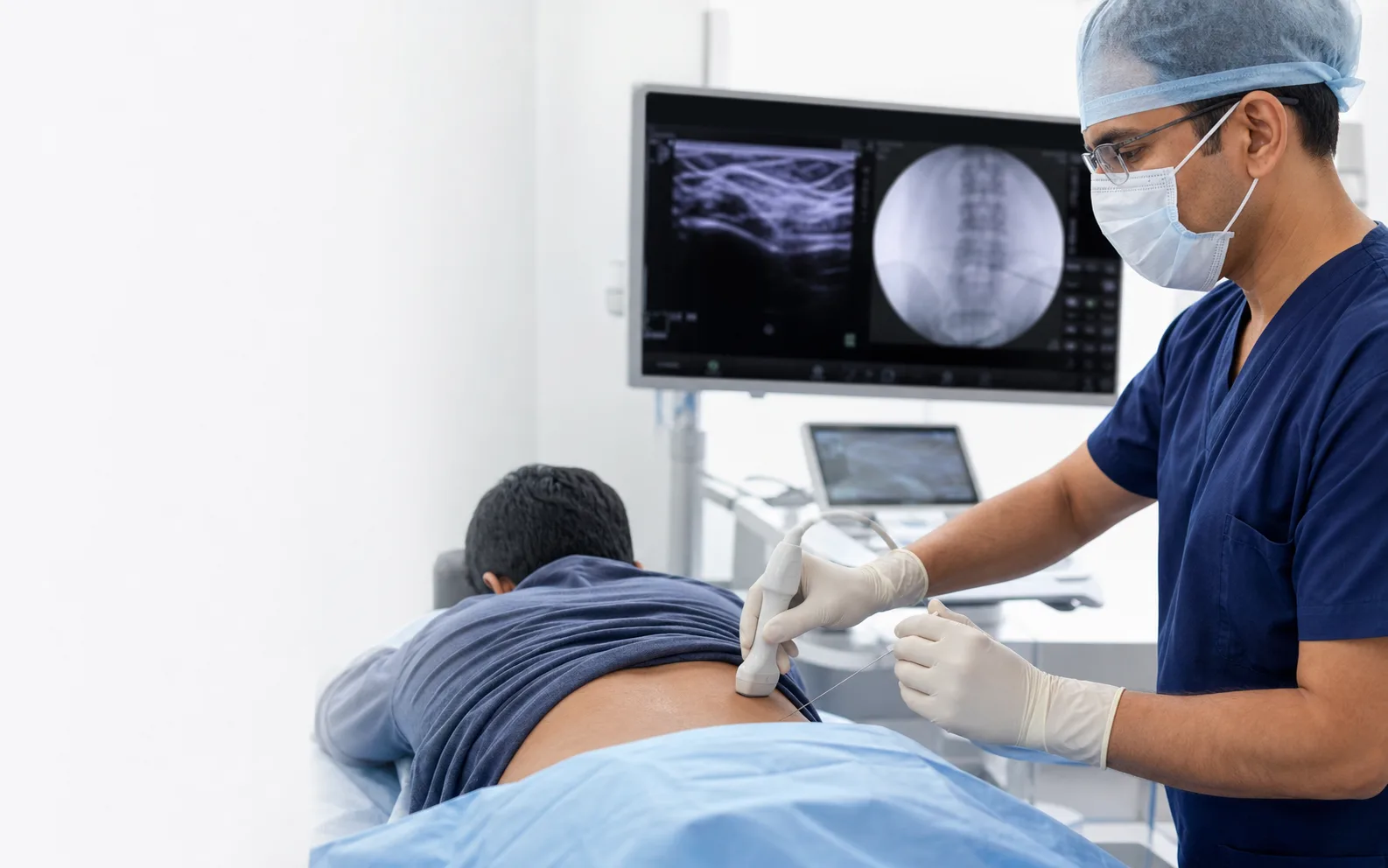
Fluoroscopy or ultrasound helps protect adjacent structures.
Neurolysis is reserved for selected pain conditions where a defined nerve or plexus can be targeted:

Selected coeliac, hypogastric, or other plexus pain pathways after specialist assessment.
Radiofrequency neurolysis after a positive diagnostic medial-branch block.
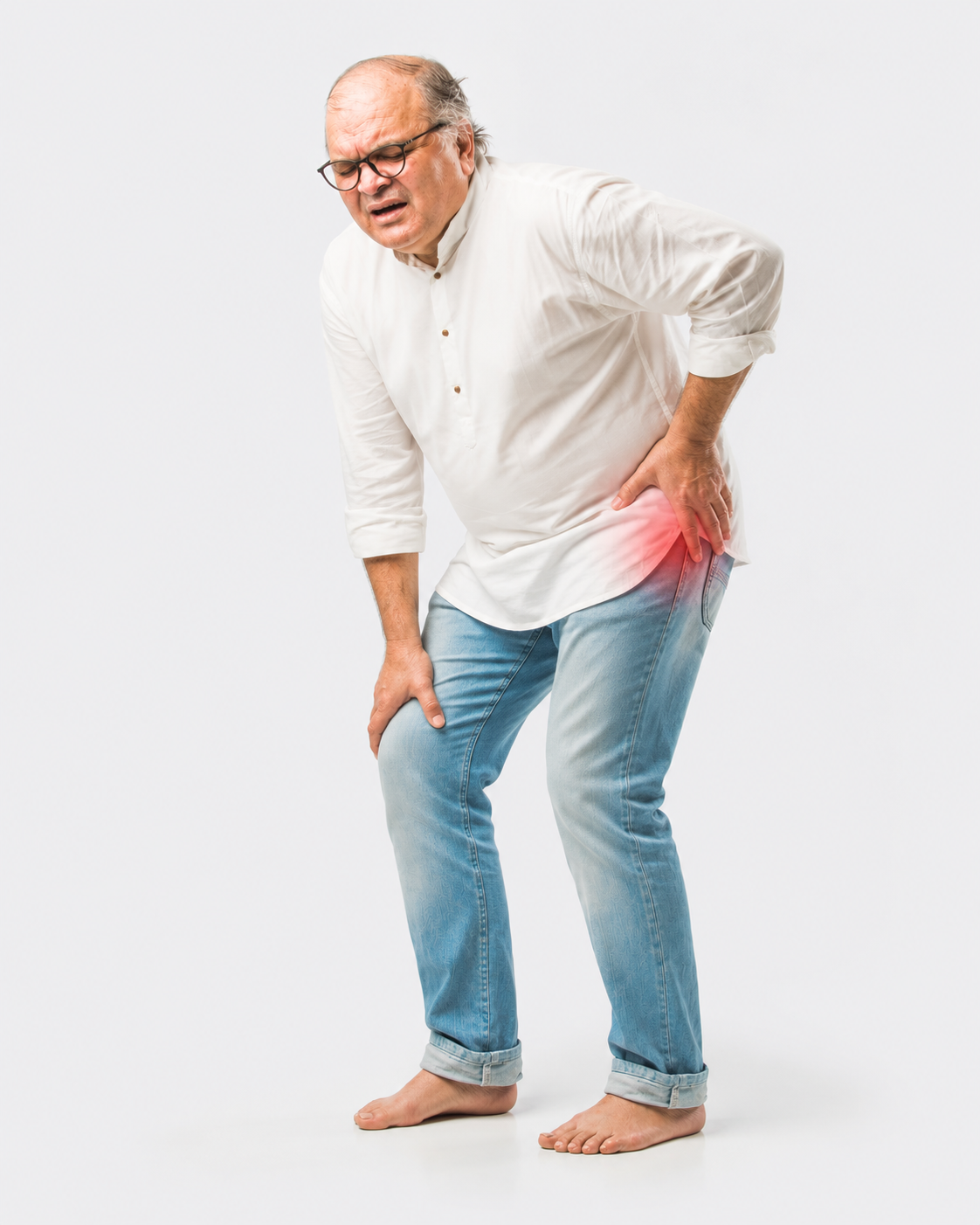
Specialist plexus or ganglion targets where evidence and diagnosis support intervention.
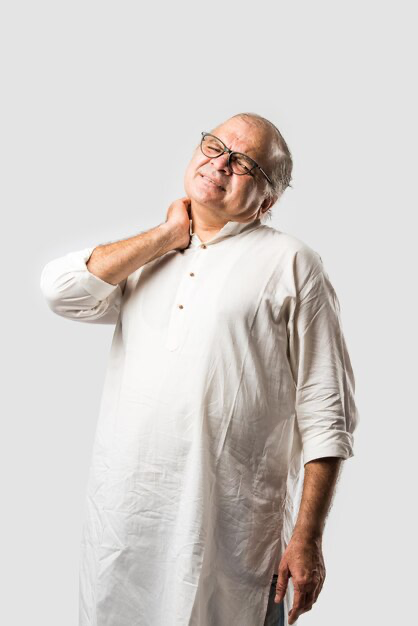
Carefully diagnosed pain involving a targetable sensory nerve.
Evidence and suitability vary substantially by condition. Your Nivaan specialist will recommend neurolysis only when the expected benefit justifies the risks.
Neurolysis may be considered when:
Pain remains disabling despite appropriate medication and conservative treatment.
The pain can be linked to a specific nerve, branch, ganglion, or plexus.
Temporary block provides meaningful relief and no unacceptable functional loss where required.
You understand that relief may be temporary and treatment does not cure the underlying disease.
Neurolysis is generally avoided when the target is uncertain, infection or uncontrolled bleeding risk is present, or loss of the nerve's other functions could cause unacceptable harm. Individual contraindications depend on the technique and target.
The exact protocol depends on the target and technique, but precision and diagnostic confirmation are central.
You are positioned so the target nerve or plexus can be reached safely.
The skin is cleaned and local anaesthetic is used for comfort.
A fine needle or probe is advanced under fluoroscopy or ultrasound.
Contrast, stimulation testing, or a test dose may confirm position before treatment.
The selected chemical, thermal, or cold technique is applied to the confirmed target.
Strength, sensation, pain response, and vital signs are checked before discharge.
Temporary soreness, numbness, or a short pain flare can occur. Target-specific instructions take priority because recovery differs between plexus, spinal, and peripheral procedures.
| Time | What to expect |
|---|---|
| Immediately after | Observation of pain response, strength, sensation, and vital signs |
| First 24-48 hours | Injection-site soreness or temporary numbness may occur |
| Days 3-14 | The treatment effect becomes clearer as procedural irritation settles |
| Following months | Relief is reviewed; nerves may recover and symptoms can return |
Rehabilitation, medicines, cancer care, or other treatment continues according to the underlying diagnosis.
Treats a confirmed pain pathway rather than exposing the whole body to more medication.
Can last longer than a temporary local-anaesthetic nerve block.
May reduce reliance on systemic analgesics in appropriate patients.
Pain reduction can support movement, sleep, rehabilitation, or palliative goals.
Neurolysis intentionally alters nerve function, so its risks must be discussed more carefully than those of a temporary nerve block.
Burning, tingling, or increased pain can occur as the treated nerve responds.
Unwanted sensory or motor change may occur if nearby fibres are affected.
Uncommon procedural risks are reduced by screening and sterile technique.
Target-specific nerve, vessel, organ, or spinal injury is uncommon but potentially serious.
Pain may improve only partially or return as nerves regenerate or disease progresses.
The balance of benefit and harm depends strongly on the diagnosis, target, technique, and your overall health. Neurolysis should be performed only by an appropriately trained specialist with image guidance.
Results vary widely by the nerve target, technique, and underlying condition.
Relief may begin after procedural soreness settles.
Function, medication use, sleep, and pain are reviewed together.
Many neurolytic blocks are intended to provide relief over months, not permanent cure.
Further treatment is based on response and the course of the underlying condition.
For cancer-related neurolytic blocks, the aim is often meaningful pain and medication reduction as part of palliative care. For radiofrequency neurolysis, a positive diagnostic block is an important predictor but does not guarantee outcome.
Your specialist will set diagnosis-specific expectations before treatment.
Neurolysis at Nivaan is considered within a complete specialist-led plan, with diagnostic confirmation, transparent risk discussion, and ongoing multidisciplinary support.
Confirms the exact diagnosis and coordinates the appropriate treatment pathway.
Builds a personalised mobility, strength, and rehabilitation plan.
Supports the fear, sleep disruption, and stress that accompany persistent pain.
Supports recovery through condition-appropriate nutrition and health guidance.
Your care plan is reviewed and adjusted according to your diagnosis, response, and recovery goals.
Delhi
F-23, Nivaan, opposite Sri Aurobindo College, Geetanjali Enclave, New Delhi 110017
Dr. Rohit Gulati
Delhi
B-18, Nehru Place Flyover, Chirag Enclave, New Delhi 110048
Dr. Rohit Gulati
Delhi
25A, Block A1, Safdarjung Enclave, New Delhi 110029
Dr. Naveen Talwar
Delhi
CS/OCF-4, Pocket 10, Sector-24, New Delhi 110085
Dr. Garima Gupta
Delhi
67/1 New Rohtak Road, Guru Gobind Singh Marg, New Delhi 110005
Dr. Garima Gupta
Delhi
D-36, Block C, Acharya Niketan, New Delhi 110091
Dr. Abhimanyu Rana