Therapeutic function
Local anaesthetic and corticosteroid reduce inflammation, interrupt pain transmission, and can provide meaningful relief lasting weeks to months.


patients treated
advanced non-surgical procedures
years of combined expertise
Nerve Root Block (NRB) Treatment at Nivaan Care is a precision, image-guided injection procedure that delivers local anaesthetic and corticosteroid directly to a specific, identified nerve root, stopping nerve pain at its source, confirming the exact origin of your pain, and restoring function without surgery. Whether you are experiencing sciatica, cervical radiculopathy, or radiating leg or arm pain from a compressed spinal nerve, Nerve Root Block (NRB) Treatment in Delhi at Nivaan Care goes beyond a standalone injection to deliver a complete, expert-led pain recovery plan.
Stop chasing the pain. Start treating the nerve.
A nerve root block, also called a selective nerve root block (SNRB) or nerve root block injection, is a minimally invasive, fluoroscopy-guided injection that targets a single, specific nerve root as it exits the spinal canal through the intervertebral foramen.
Unlike an epidural steroid injection that bathes a broader region of the epidural space, an NRB is precisely directed to one nerve root at one spinal level. This precision gives it a dual function that makes it uniquely valuable in spine pain management.
Local anaesthetic and corticosteroid reduce inflammation, interrupt pain transmission, and can provide meaningful relief lasting weeks to months.
Immediate relief confirms that the targeted nerve root is the symptom source and guides subsequent treatment, including whether surgery is needed and at which level.
Fluoroscopy directs the injection to one nerve root at one spinal level.
NRB combines pain relief with information that no scan alone can provide.
When a disc herniates, a vertebra degenerates, or the foramen narrows, the exiting nerve root is compressed and chemically irritated. The body releases inflammatory mediators, including phospholipase A enzymes, leukotrienes, and prostaglandins, which sensitise the nerve root and amplify pain transmission along the nerve pathway.
Local anaesthetic blocks sodium channels in the nerve fibre membrane, immediately interrupting pain transmission and sensitised C-fibre activity. This produces rapid but temporary relief and tells the specialist which nerve is responsible.
Corticosteroid, typically betamethasone or methylprednisolone, acts over the following days and weeks to suppress the phospholipase A cascade, reduce perineural oedema, and decrease the inflammatory environment that keeps the nerve sensitised. Together, the two agents address the immediate nerve signal and underlying inflammation, creating a window for meaningful physiotherapy and rehabilitation.
Nerve Root Block (NRB) Treatment in Delhi at Nivaan Care is available across all spinal regions, selected according to diagnosis, imaging, and the nerve root responsible for symptoms.
Targets neck roots C2-C8 for cervical radiculopathy causing arm or shoulder pain, hand numbness, or weakness. C2-C3 and adjacent levels can address headache and upper-neck pain from cervical nerve compression.
Targets L1-S1 roots causing sciatica, radiating leg or foot pain, and weakness. An S1 block is commonly used for outer-foot and calf pain from L5-S1 disc herniation or foraminal stenosis.
Targets thoracic roots causing intercostal, chest-wall, or band-like torso pain from conditions such as thoracic disc herniation, compression fracture, or postherpetic neuralgia.
For multilevel cervical pathology, an epidural approach may be combined with selective nerve-root targeting based on MRI and symptom localisation.
Your Interventional Pain Specialist will determine which nerve-root level and approach best matches your diagnosis, imaging, and pain distribution.
Nerve Root Block (NRB) Treatment in Delhi at Nivaan Care is recommended for nerve-root-related spinal pain conditions, particularly where the source needs to be precisely identified or conservative treatment has not provided lasting relief:
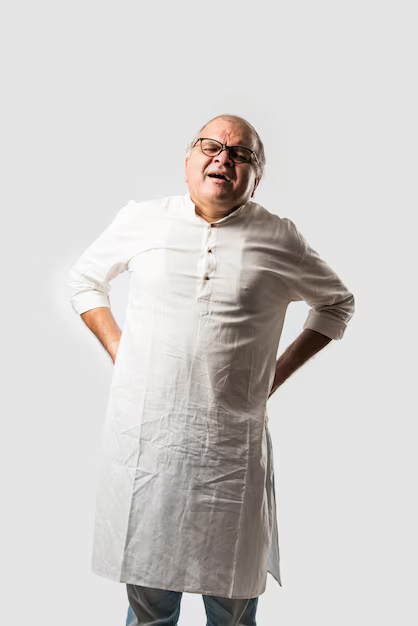
Radiating leg pain, numbness, or weakness from an irritated L4, L5, or S1 nerve root.
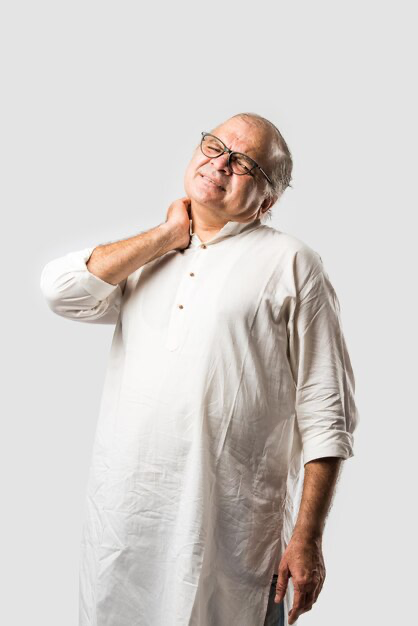
Arm pain, hand numbness, or weakness from a compressed cervical nerve root.
Single-level disc herniation compressing a specific spinal nerve root.
Narrowing of the nerve exit channel causing chronic nerve compression.
Persistent nerve-root pain after spinal surgery.
Targeted treatment at the nerve-root level addresses the sensitised nerve directly rather than relying only on systemic medication.
Persistent pain following a nerve-root distribution after shingles.
Confirms the symptomatic spinal level when imaging shows pathology at multiple levels before surgery is planned.
A specialist assessment at Nivaan determines whether Nerve Root Block (NRB) Treatment in Delhi is the right choice for your specific diagnosis and imaging.
Nerve Root Block (NRB) Treatment at Nivaan Care works best in carefully selected patients. It may be the right option if you have:
Radiating arm or leg pain lasting more than 4-6 weeks despite conservative treatment.
A herniated disc or foraminal stenosis at a specific spinal level on MRI.
Pain following the pathway of a specific nerve root.
Multilevel pathology where the symptomatic level needs confirmation before surgery.
Pain not adequately relieved by physiotherapy, oral anti-inflammatories, or oral steroids.
A wish to avoid or delay spinal surgery where clinically appropriate, or post-surgical nerve pain at a specific level.
NRB is generally not recommended for active spinal infection, uncontrolled bleeding disorders or anticoagulants that cannot be paused, first-trimester pregnancy where fluoroscopy is involved, contrast or corticosteroid allergy, or active cancer at the injection site. Uncontrolled diabetes requires careful monitoring because corticosteroids elevate blood glucose. Your Nivaan specialist will review your full history and imaging before proceeding.
Nerve Root Block (NRB) Treatment at Nivaan Care is minimally invasive and completed in a single outpatient session.
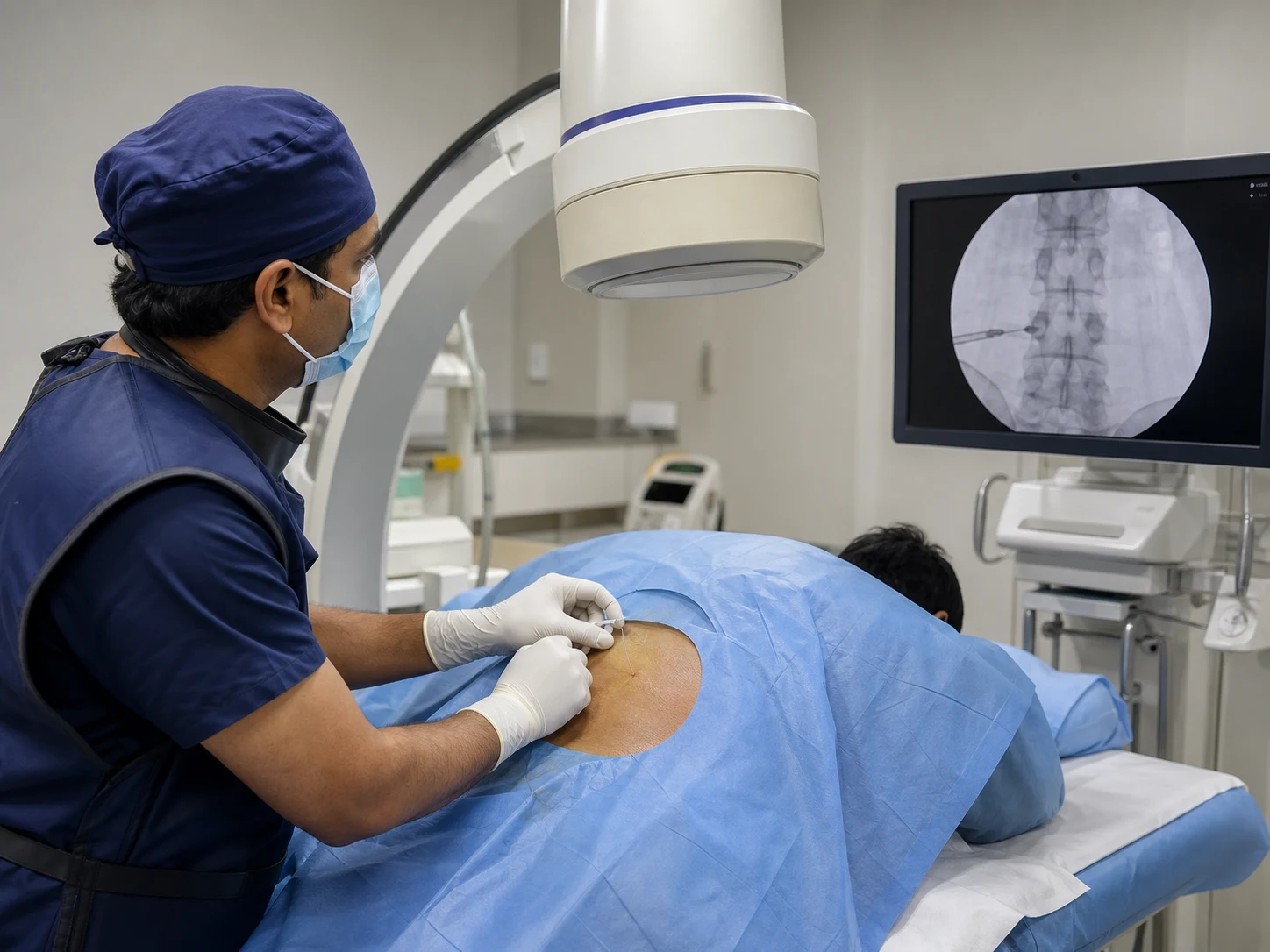
You lie face down. A pillow under the abdomen opens the spinal levels for improved fluoroscopic visualisation.
The skin over the target level is cleaned and draped, and local anaesthetic numbs the skin and subcutaneous tissue.
Real-time X-ray provides live spinal imaging and identifies the target nerve-root foramen.
The needle advances under continuous fluoroscopy into the intervertebral foramen at the precise spinal level responsible for pain.
Contrast confirms the needle tip is adjacent to the target root and verifies medication spread before any treatment is delivered.
Local anaesthetic and corticosteroid are slowly injected around the nerve root.
You rest for 20-30 minutes while the immediate response is observed. The first-hour response provides critical diagnostic information, and most patients go home the same day.
A temporary increase in nerve symptoms or injection-site soreness during the first 24-48 hours is normal as local anaesthetic wears off and before the steroid takes effect. Avoid NSAIDs for 48 hours, use paracetamol if needed, avoid driving that day if sedated, and avoid swimming, heavy exercise, and heat application for 48 hours. Diabetic patients should monitor blood glucose closely for 3-5 days.
| Time | What to expect |
|---|---|
| Immediately after | Possible rapid relief from local anaesthetic, providing diagnostic information |
| First 24-48 hours | Anaesthetic wears off; a temporary return of symptoms can occur |
| Days 3-7 | Steroid effect begins to build and nerve pain may reduce |
| Weeks 1-4 | Radicular symptoms improve and physiotherapy can begin |
| Weeks 4-12 | Maximum therapeutic benefit and active rehabilitation |
| Months 3-6 | Meaningful relief for many patients who respond |
NRB at Nivaan is always combined with structured physiotherapy. The injection provides the pain-free window; physiotherapy addresses the biomechanical causes that led to nerve compression.
Seek immediate medical attention if you develop fever above 38 C, rapidly worsening leg or arm weakness, loss of bladder or bowel control, or severe uncontrolled pain at the injection site. These are rare but important red-flag symptoms.
Confirms the exact nerve root causing pain, information no scan alone can provide.
Delivers anti-inflammatory medication directly to the sensitised nerve root, not systemically.
Fluoroscopy with contrast confirmation ensures medication reaches the correct nerve root.
No incisions, general anaesthesia, or hospital admission.
Many patients improve meaningfully within days of the steroid taking effect.
The pain-free window allows physiotherapy that may otherwise be impossible.
Confirmation of a specific root makes surgical decisions more precise and reduces wrong-level risk.
Targeted delivery can control nerve pain better than systemic medication alone.
Clinical evidence shows NRB can reduce surgical rates in radiculopathy when combined with rehabilitation.
When performed by a trained Interventional Pain Specialist under fluoroscopic guidance with contrast confirmation, nerve root block has a well-established safety record.
Soreness or bruising at the injection site generally settles within 1-3 days.
Symptoms may briefly worsen as local anaesthetic wears off and usually resolve within 24-48 hours.
Facial flushing can settle within 24 hours; diabetic patients may have elevated glucose for 3-5 days.
Local anaesthetic spread can cause arm or leg heaviness that resolves within hours.
Dural puncture, infection, temporary nerve irritation, bleeding, or allergic reaction are recognised but rare and are mitigated through screening, sterile technique, and imaging.
Permanent nerve damage, spinal cord injury, or paralysis are exceptionally rare with image-guided NRB performed by an experienced specialist. Contrast confirmation directly mitigates intravascular injection risk by showing needle position and injectate spread before medication is administered.
Nerve root block injection cost in India varies depending on the spinal level targeted, the number of nerve roots injected per session, the corticosteroid used, and whether fluoroscopic image guidance is included.
Nerve Root Block (NRB) Treatment in Delhi at Nivaan Care is priced transparently. Your specialist confirms the full cost at consultation, including the approach, likely number of sessions, and imaging protocol. Most patients require one to three sessions.
Nerve Root Block (NRB) Treatment in Delhi at Nivaan Care delivers both immediate diagnostic information and progressive therapeutic benefit. Clinical evidence shows that selective nerve root block provides significant pain relief in approximately 46-57% of patients at 6-12 months, with the strongest outcomes in acute single-level radiculopathy from disc herniation.
Relief from local anaesthetic confirms the nerve root and provides critical diagnostic information.
First meaningful improvement as the steroid effect builds.
Maximum therapeutic benefit.
Typical duration for responders; some maintain benefit beyond 12 months with physiotherapy.
Sciatic nerve injection at the correct lumbar level for acute disc herniation consistently shows the strongest outcomes. Cervical injections for foraminal stenosis also respond well. Chronic, long-standing compression or severe structural nerve damage tends to produce more limited benefit.
Most patients require one to three sessions, adjusted according to diagnosis and response.
Nerve Root Block (NRB) Treatment at Nivaan Care is not a standalone injection. Every patient receives a complete, expert-led plan built around their specific nerve-root diagnosis, imaging findings, and rehabilitation goals.
Confirms the exact root, performs the injection under fluoroscopy with contrast, and interprets the diagnostic response.
Builds a personalised programme to address the biomechanical cause of compression and consolidate therapeutic benefit.
Addresses fear, sleep disruption, and the psychological burden of chronic radicular pain.
Provides anti-inflammatory guidance, particularly important for diabetic patients receiving corticosteroids.
| Nerve root block | Nivaan Care | Standalone injection |
|---|---|---|
| Who performs it | Interventional pain specialist under fluoroscopic guidance | General practitioner or clinic |
| Diagnosis | Exact nerve-root level confirmed diagnostically before and after treatment | Symptom-based |
| Injection technique | Fluoroscopy-guided with contrast confirmation at every session | Freehand or landmark-based |
| Diagnostic interpretation | Immediate response analysed to confirm the nerve-root source | Not formally assessed |
| Rehabilitation | Personalised physiotherapy programme after injection | None |
| Mental and emotional support | Dedicated pain counsellor | Not addressed |
| Nutrition guidance | Anti-inflammatory plan by expert | Not included |
| Treatment approach | Full multidisciplinary care team | Single injection in isolation |
| Follow-up care | Structured, ongoing recovery plan | Rarely structured |
Clinical evidence consistently shows that NRB combined with rehabilitation produces superior, longer-lasting outcomes compared to injection alone.
Delhi
F-23, Nivaan, opposite Sri Aurobindo College, Geetanjali Enclave, New Delhi 110017
Dr. Rohit Gulati
Delhi
B-18, Nehru Place Flyover, Chirag Enclave, New Delhi 110048
Dr. Rohit Gulati
Delhi
25A, Block A1, Safdarjung Enclave, New Delhi 110029
Dr. Naveen Talwar
Delhi
CS/OCF-4, Pocket 10, Sector-24, New Delhi 110085
Dr. Garima Gupta
Delhi
67/1 New Rohtak Road, Guru Gobind Singh Marg, New Delhi 110005
Dr. Garima Gupta
Delhi
D-36, Block C, Acharya Niketan, New Delhi 110091
Dr. Abhimanyu Rana